2026

Latest Challenge – Winners announced 30 September 2026

Turning biosolids into a climate solution

For the first time the Challenge had a single theme. It asked water corporations how to manage biosolids for the future: cutting emissions, dealing with contaminants such as PFAS and recovering the value in nutrients and carbon. Seven projects shared the $320,000 prize pool.
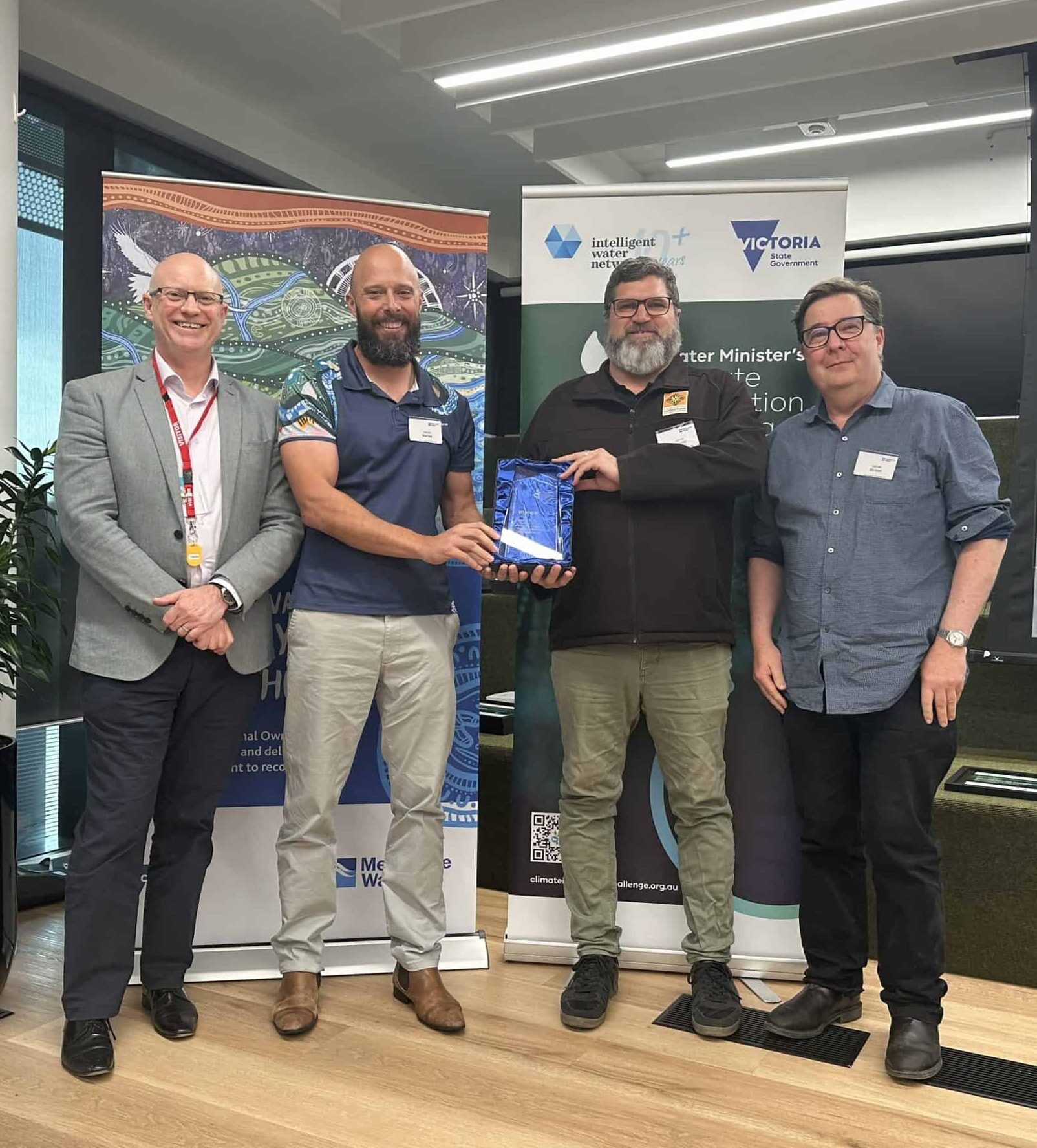
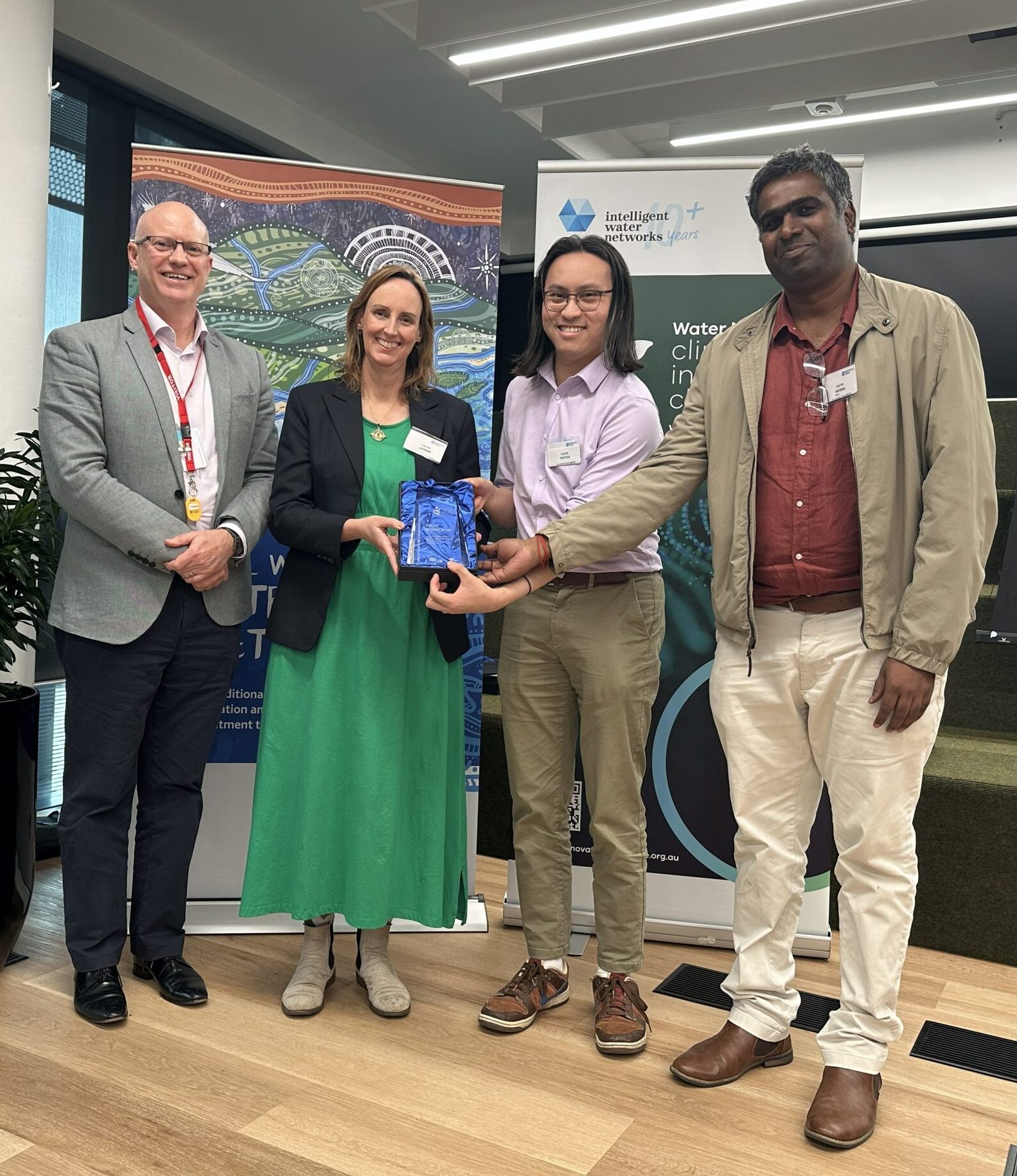
BARWON WATER with Wadawurrung Traditional Owners Aboriginal Corporation and Federation University Australia.

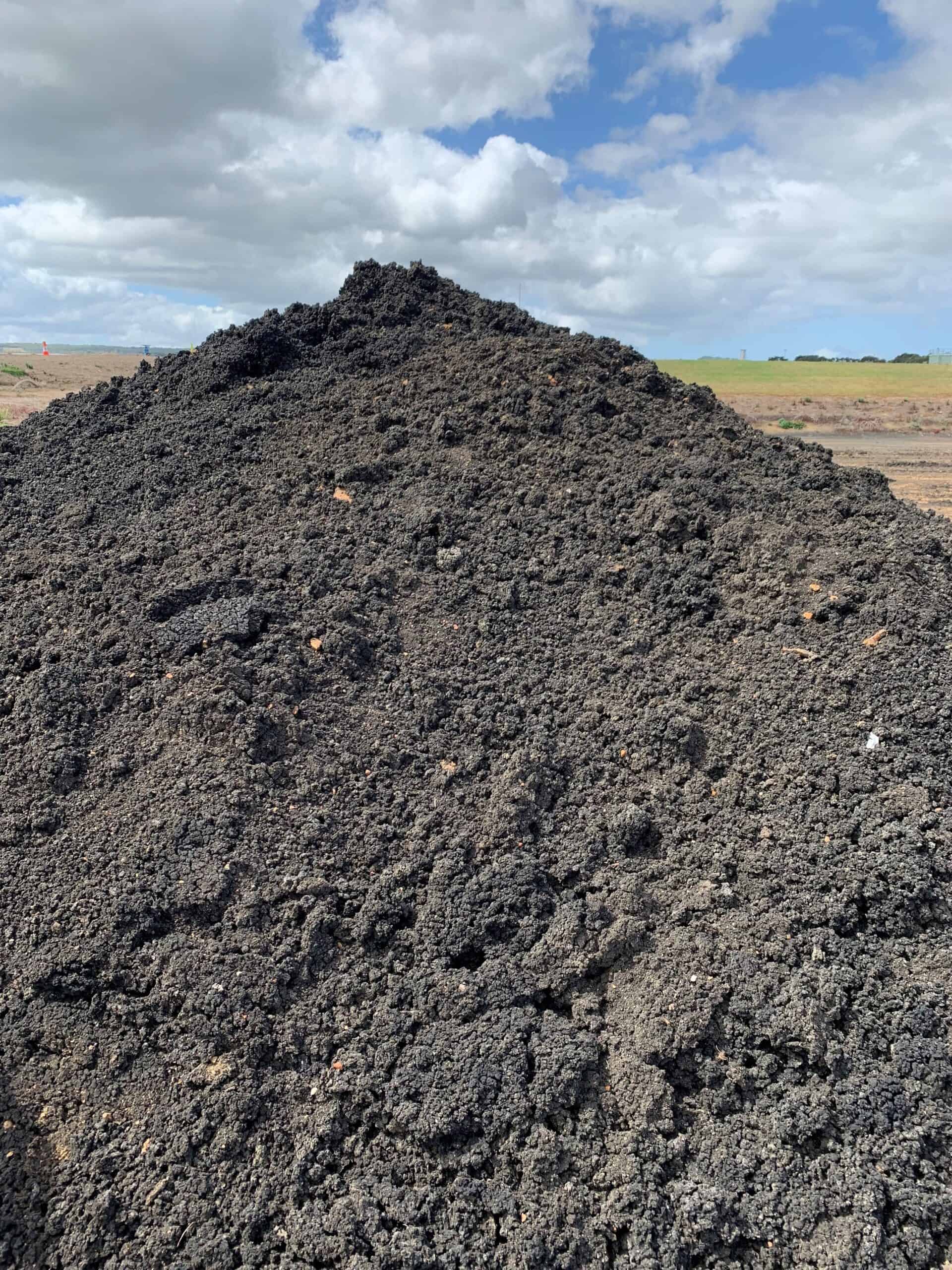
Biochar for Dja (Country): Co-designing climate-Resilient Landscapes with Wadawurrung

This project aims to transform biosolids-derived biochar and water treatment solids into valuable resources for growing native plants and restoring degraded landscapes across Wadawurrung Dja.

By improving soil health, water retention and plant resilience, the project can support biodiversity and climate adaptation while creating a scalable circular economy pathway for water sector residuals.

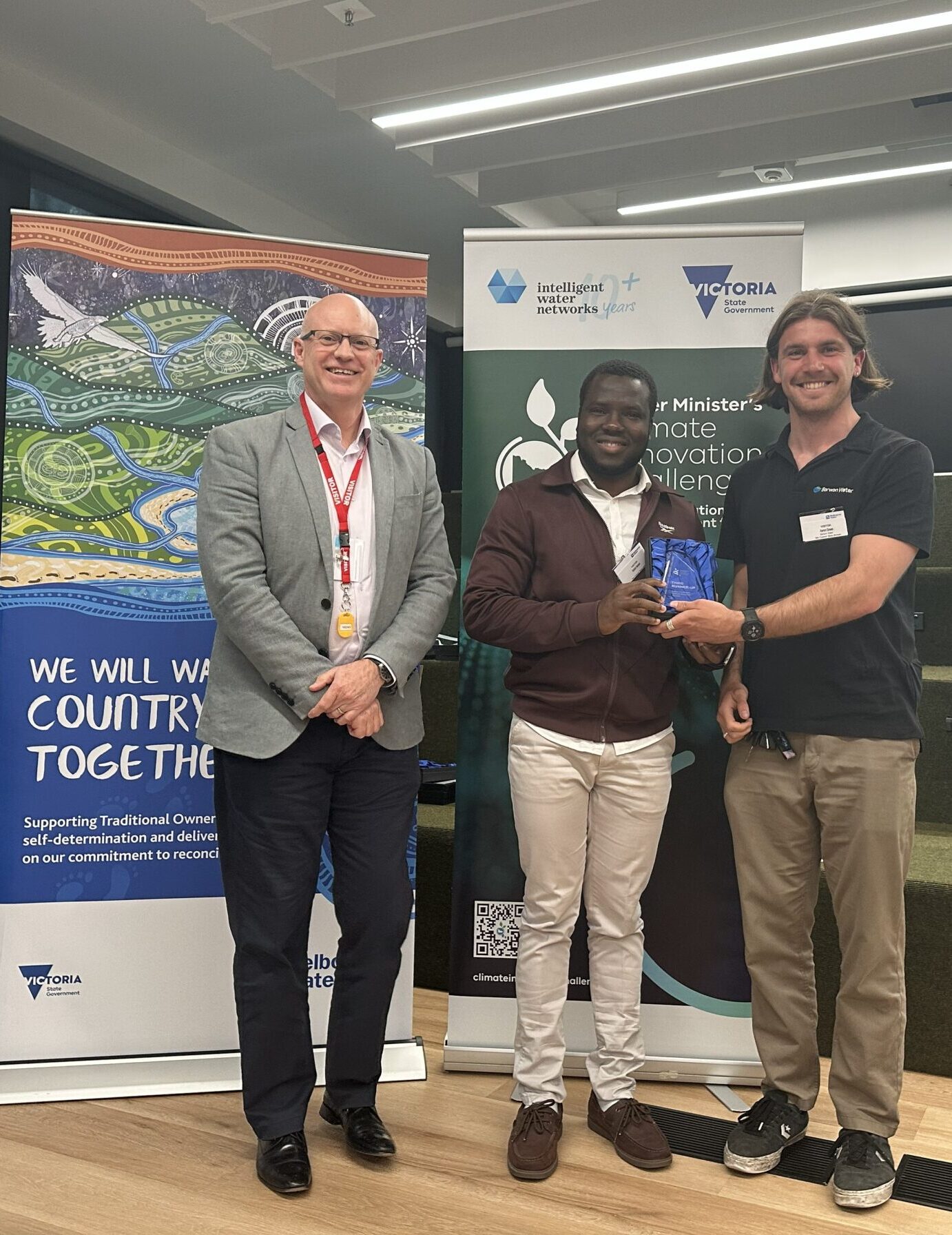
CENTRAL HIGHLANDS WATER with RMIT University, Greater Western Water, Barwon Water & Saunders Aquametro

Upcycling Biosolids-derived Biochar: three products, one feedstock

Water treatment media, fire-resistant cladding and plastic composite parts, all from one biochar.

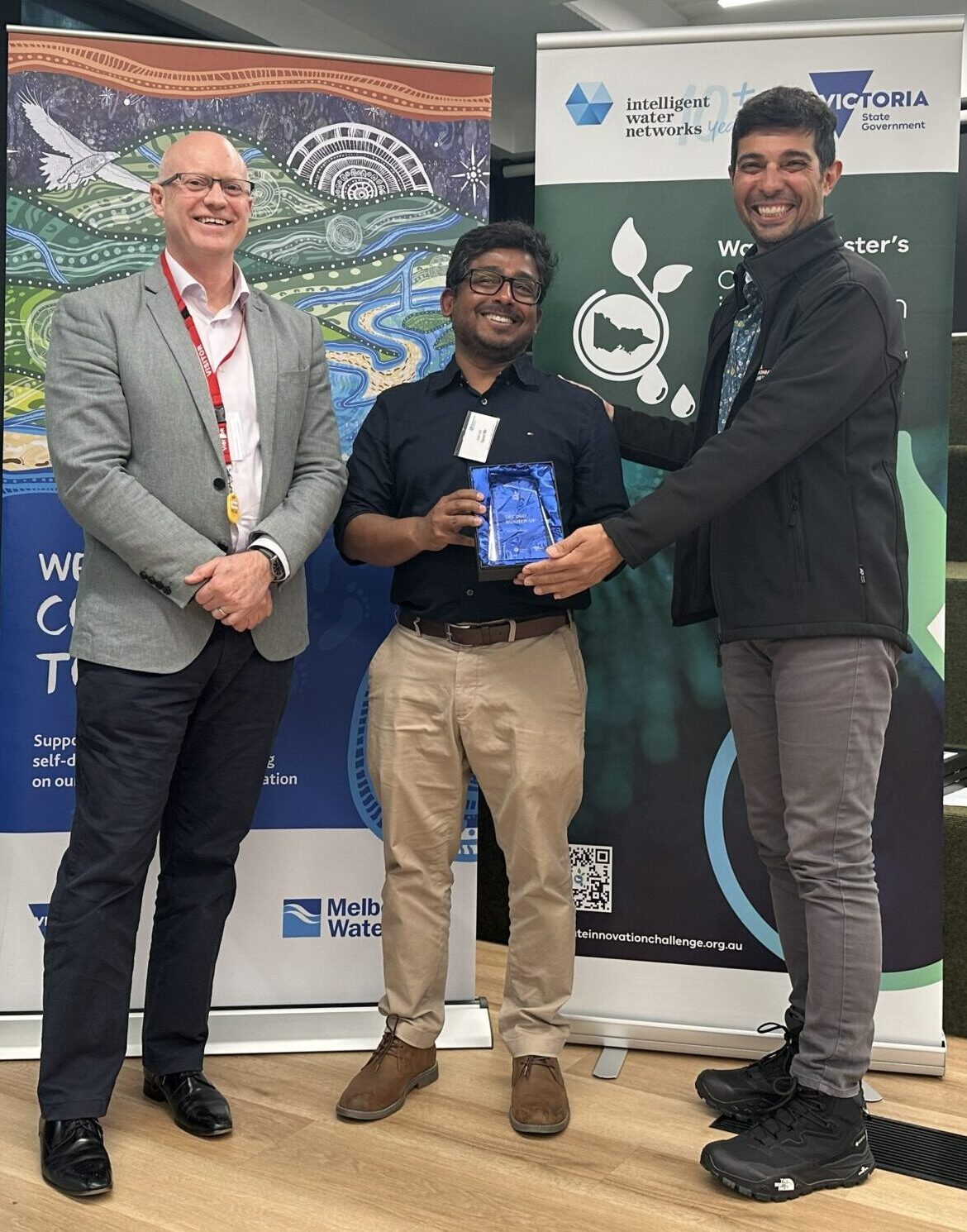
GOULBURN VALLEY WATER with Monash University & Barwon Water

BioSorb Mobile

A mobile unit that uses biochar and ozone nanobubbles to strip algae, toxins and contaminants from recycled water.

BARWON WATER with RMIT University

Future Fertiliser! Nutrient Enriched Biochar

A slow-release fertiliser made from biochar, recovered nutrients and magnesium from desalination brine.

BARWON WATER with Deakin University and genU

WasteNotPot – Transforming Biosolids-Derived Biochar into Biodegradable Nursery Pots

Biodegradable nursery pots made from biosolids-derived biochar, replacing plastic.

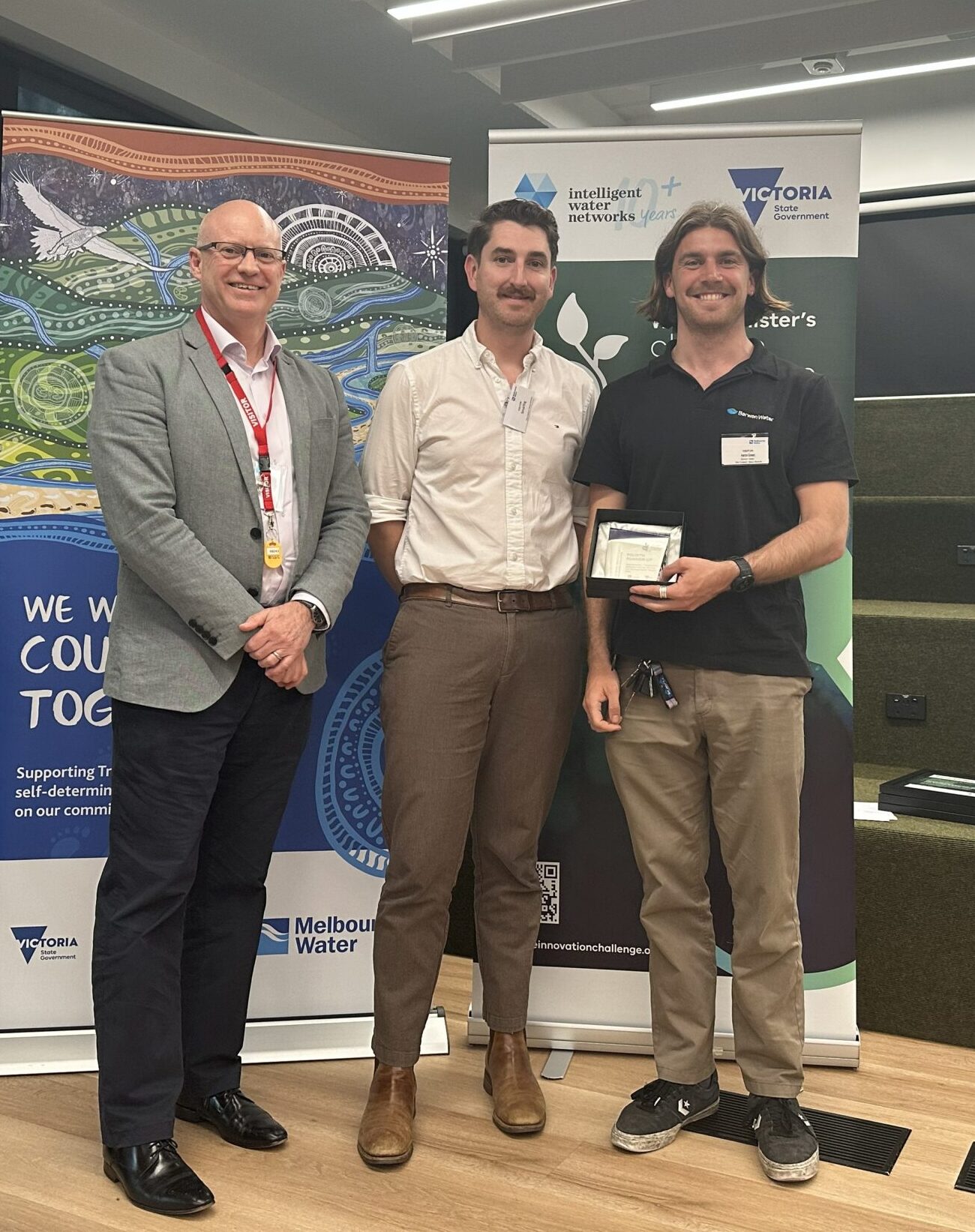
WANNON WATER – Industrial Ecology – Source Management Options for Biosolids

EAST GIPPSLAND WATER (Gippsland Agricultural Group and East Gippsland Shire Council) – Small Towns, Big Impact: Climate-Smart Biosolids Management

Full 2026 results, photos and pitch Videos ->

THE CHALLENGE SINCE 2023

Four years of water corporations backing new climate ideas

Climate change is already putting pressure on Victoria’s water security and raising the risk of drought, flood and fire. Wastewater treatment is also one of the sector’s largest sources of emissions.

Each year, teams led by a Victorian water corporation pitch to a panel of senior leaders from across the sector and DEECA. The Minister for Water then awards funding to the strongest projects. The Challenge is run by Intelligent Water Networks, and funded projects report on their progress every six months.

4

Challenges

18

Projects Recognised

26

finalist pitches

12

water corporations have led a finalist project

EARLIER CHALLENGES

2025

Water Innovation for a climate resilient future

JOINT WINNERS

Barwon Water, mapping heat in Geelong’s sewers, and Coliban Water, solar aerators that cut lagoon methane

$280,200 prize pool – 6 Finalists – 4 projects funded

2024

Solutions for a sustainable water future

WINNER

South East Water with RMIT University: green hydrogen and oxidant made directly from sunlight

$255,000 prize pool – 7 Finalists – 3 projects funded

2023

The inaugural Challenge: cutting emissions and building resilience

JOINT WINNERS

Yarra Valley Water with Barwon Water and North East Water, low-carbon cement, and Barwon Water, cellulose recovery from wastewater

$135,000 prize pool – 6 Finalists – 4 projects recognised

HOW THE CHALLENGE WORKS

1

Submit

A Victorian water corporation leads each entry, with executive endorsement. Universities, industry and Traditional Owner partners are welcome.

2

Judge

Sector leaders score each entry against weighted criteria. No judge scores an entry from their own organisation.

3

Pitch

Shortlisted teams pitch to the panel, which recommends how to share the prize pool.

4

Award & Report

The Minister for Water announces the winners, and funded projects report every six months.