Water innovation for a climate resilient future

In its third year, the Water Minister’s Climate Innovation Challenge asked Victoria’s water corporations for practical ways to strengthen the water cycle against climate change. The 2025 finalists tackled methane from wastewater lagoons, heat locked in sewer networks, water used to clean pipes and contaminants in recycled water.
$280,200

Total Prize Pool

4

Projects Funded

6

Finalists Pitched

5 Dec

2025 Award Ceremony

THE 2025 CHALLENGE

Building resilience across the water cycle

Climate change is already affecting Victoria’s water sector. It threatens ongoing water security and raises the risk of more frequent, more intense and overlapping emergency events. Those impacts are expected to grow more severe over time.

The Challenge was set up to drive innovation and collaboration on these problems. It is open to every Victorian water corporation, and each entry must be led by one, although industry and research partners are welcome. The 2025 prize pool of $280,200 included $25,200 carried over from 2024, and the judges could award it to one project or share it across several.

01

Diverse water supplies

Making more use of stormwater, recycled water and other sources so supply holds up in a drier climate.

02

Resilient infrastructure and natural assets

Protecting pipes, plants and waterways from heat, flood, fire and storms.

03

Operational resilience and efficiency

Running water services with less energy, fewer emissions and less disruption.

04

Engaged communities

Working with customers, Traditional Owners and local communities on climate action.

05

Orderly Transition

Planning a steady shift to net zero and to the climate Victoria will face.

RESULTS

2025 WINNERS

Congratulations to the following water corporations, recommended to the Minister for Water for funding following the final pitch event on 14 November 2025.
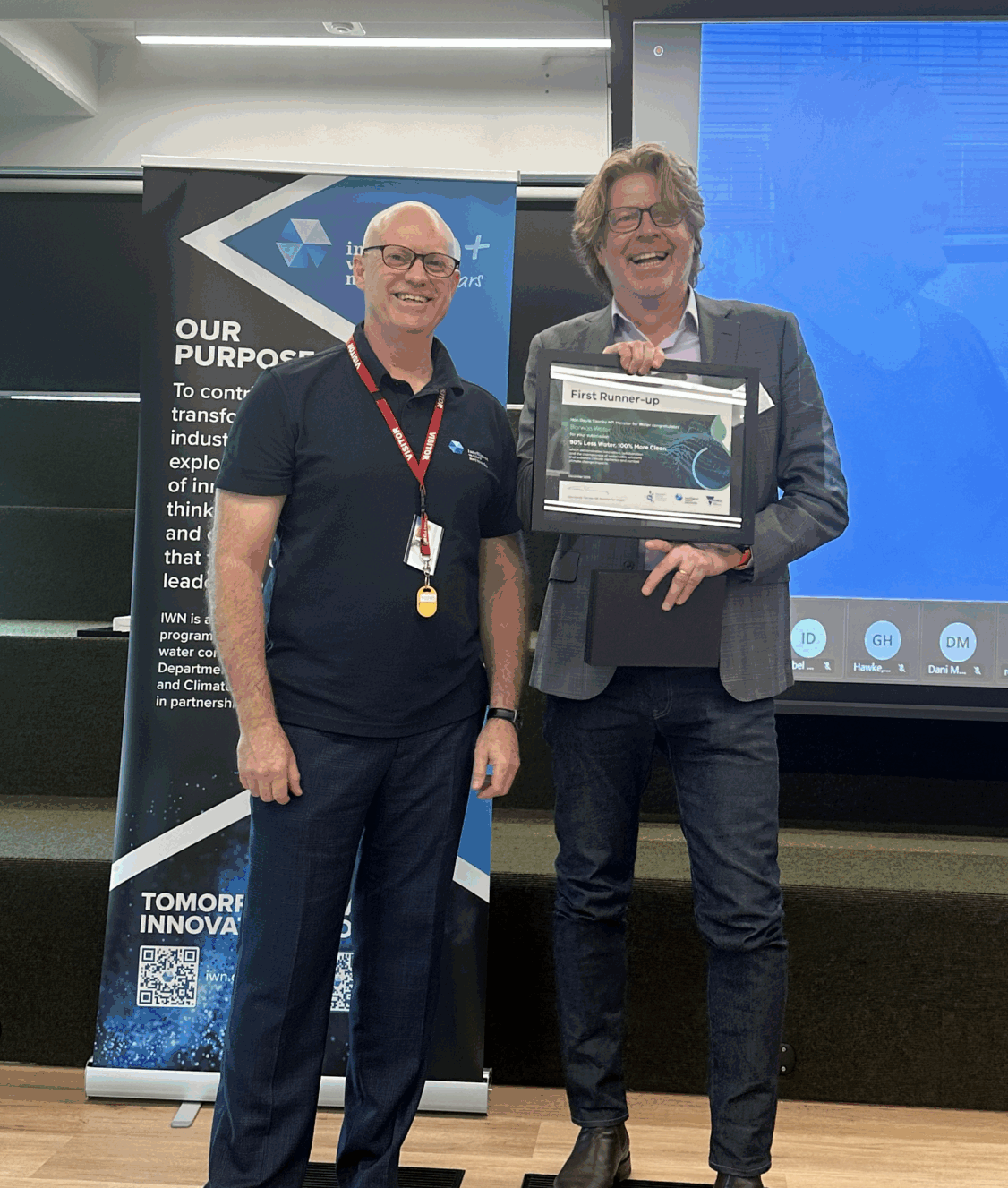
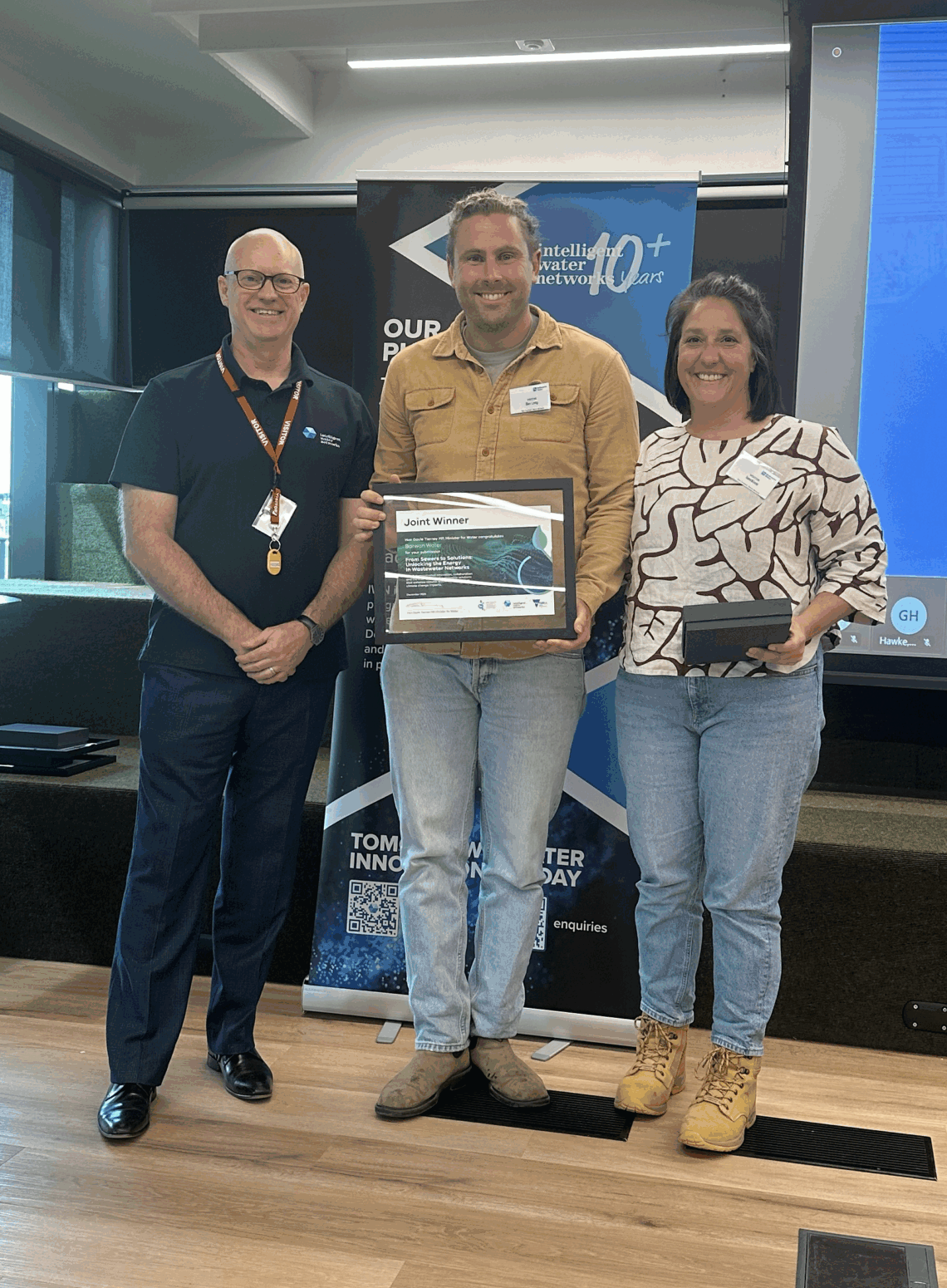
BARWON WATER with Barwon Asset Solutions, Australian Energy Producers (AEP) & Sewer Thermal Energy Network (STEN)

From Sewers to Solutions: Unlocking the Energy in Wastewater Networks

This project aims to unlock thermal energy from Victoria’s sewer networks by creating a heat distribution map of the Geelong network.

By quantifying and prioritising opportunities for wastewater heat recovery, the project can turn wastewater networks into climate-positive energy assets.

COLIBAN WATER

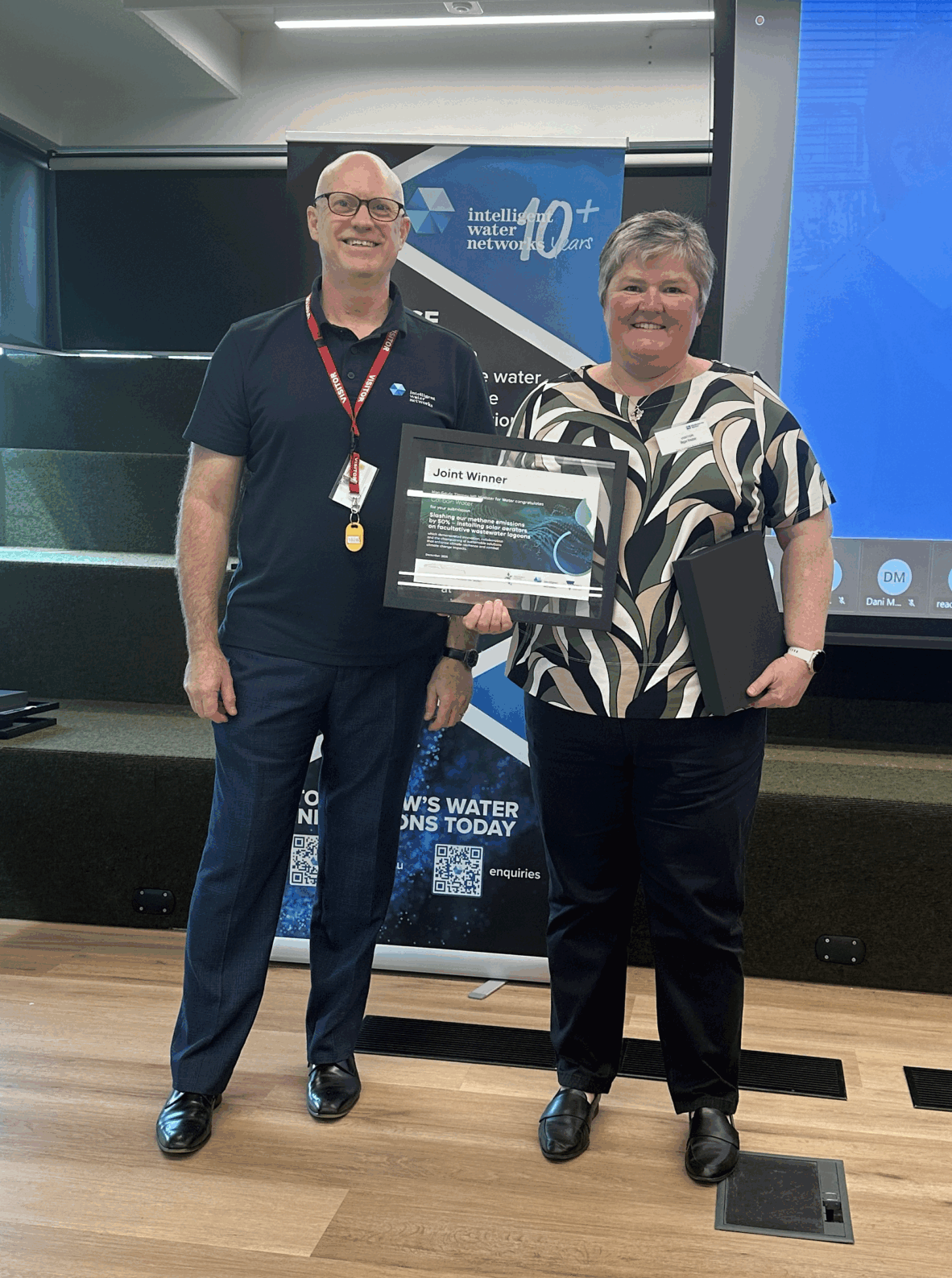
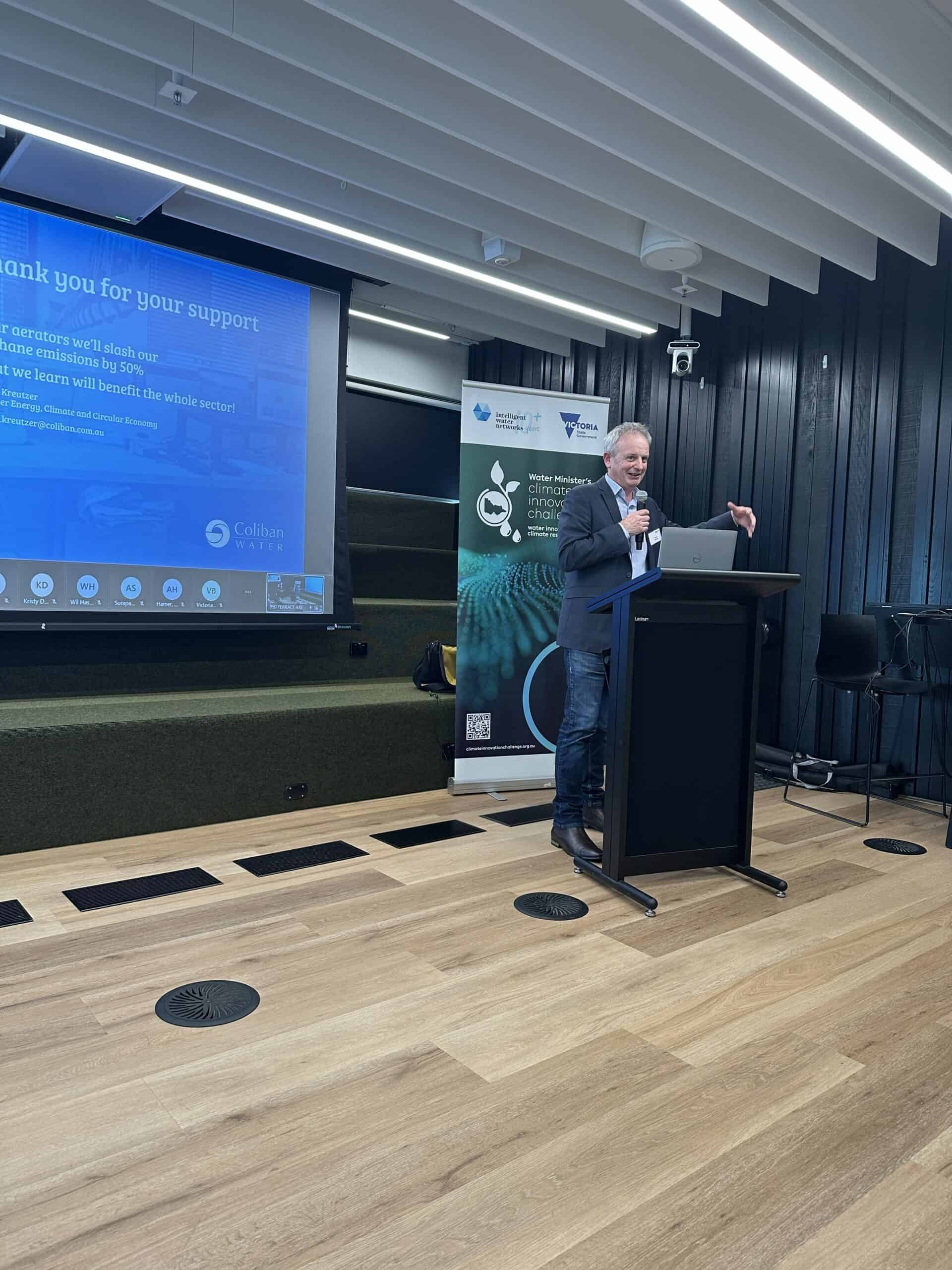
Slashing our methane emissions by 50% – Installing solar aerators on facultative wastewater lagoons

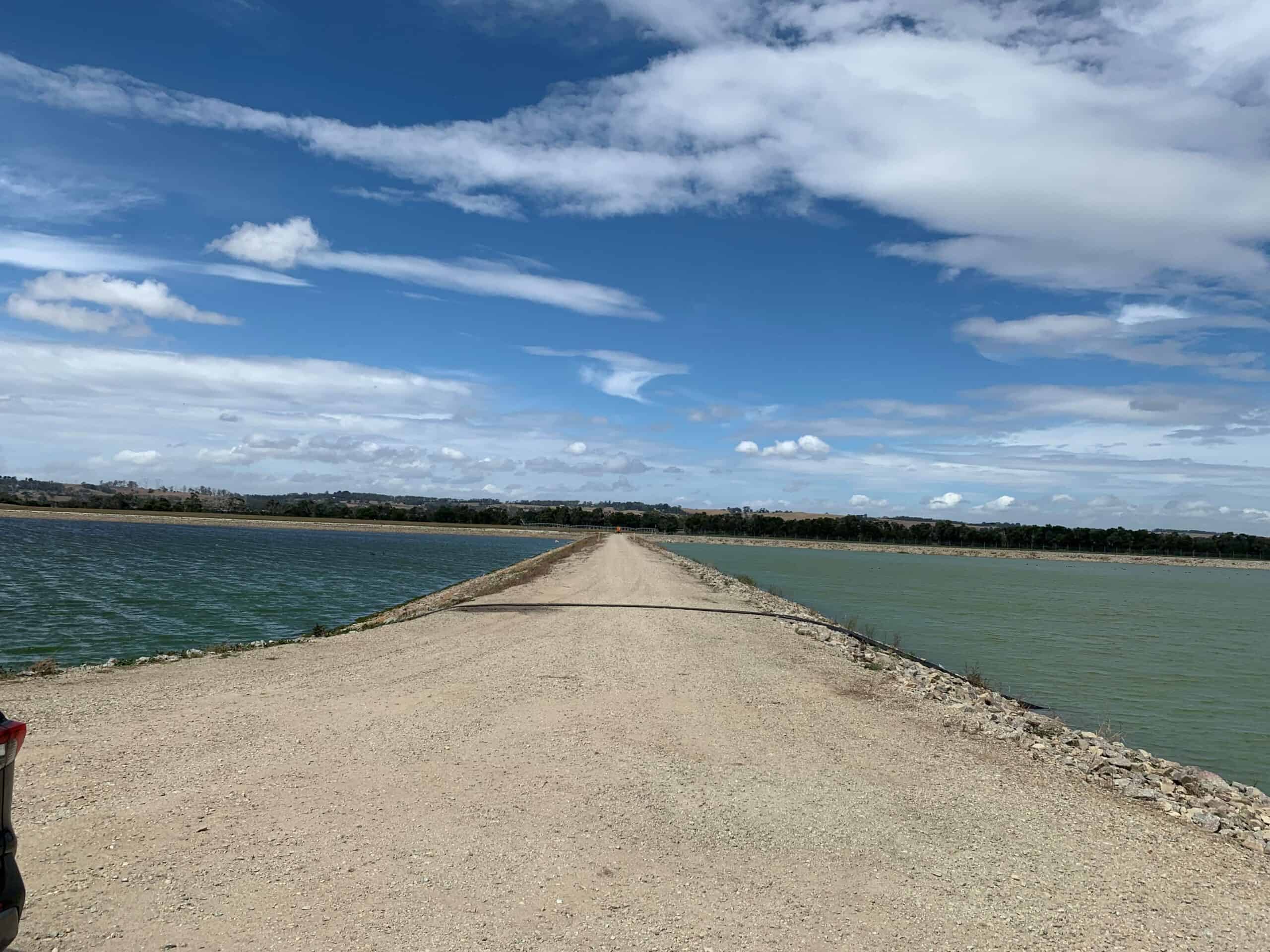
This project involves the installation of solar-powered aerators on wastewater treatment lagoons to reduce methane and nitrous oxide emissions while also lowering energy use. While aerators themselves are not new, the innovation lies in the off-grid, non-network-connected solar infrastructure being trialled.

This approach will enable even the most remote sites to access effective aeration technology, cutting operational costs and emissions.

BARWON WATER with Yarra Valley Water, South East Water & Downer

90% Less Water, 100% More Clean

Cleaning and flushing of pipes in the water and wastewater network uses millions of litres of water per year. This project will trial new technology that uses short, controlled air–water pulses to dislodge biofilm and sediment, while using up to 90% less water than conventional flushing or air scouring.

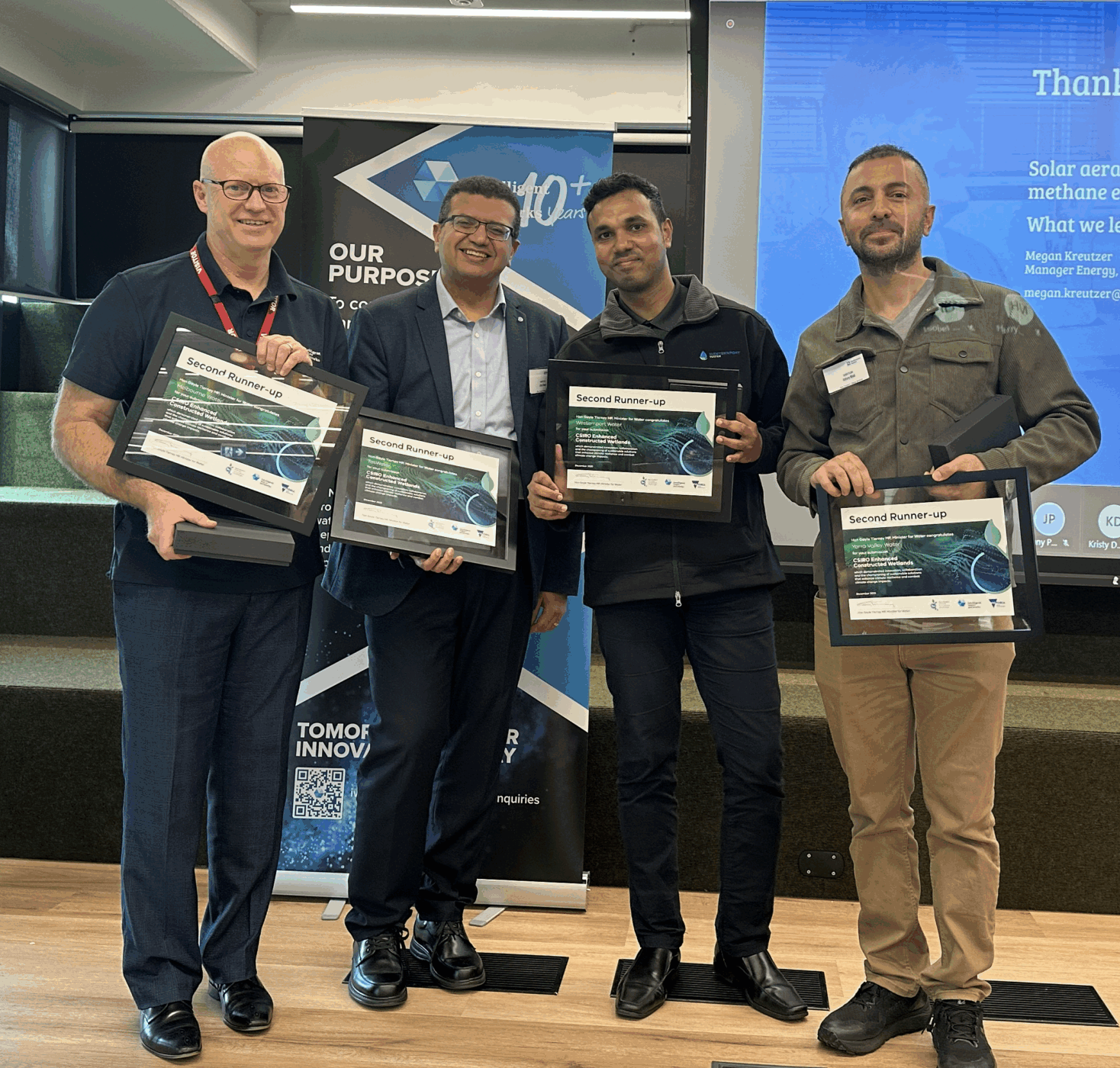
YARRA VALLEY WATER with CSIRO, TasWater, Westernport Water & Melbourne Water

CSIRO Enhanced Constructed Wetlands

This project will adopt CSIRO biotechnology to create the next generation of floating wetlands that remove persistent contaminants—including PFAS, microplastics and pesticides – whilst producing 90% less emissions. This low-energy, nature-based approach will test innovative protein adsorbents, biofilms and biochar to significantly enhance treatment performance of existing floating wetlands.

Photos from the 2025 WMCIC Award Ceremony

Come and check out the photos from the WMCIC Award Ceremony below and for even more photos please use the following link
Final Pitches for the 2025 Challenge

Check out the final pitches from each of the Submissions to learn more about the projects.

CSIRO Enhanced Constructed Wetlands

90% Less Water, 100% More Clean

From Sewers to Solutions: Unlocking the Energy in Wastewater Networks

Aerial Fugitive Emissions Mapping

Slashing our methane emissions by 50% – Installing solar aerators on facultative wastewater lagoons

Demonstration of drought resilience benefits to soil and crop quality from the use of digestate as a soil amendment