Future-focused and sustainable management of biosolids

This year’s challenge asked Victoria’s water corporations for future-focused, sustainable ways to manage biosolids — cutting emissions, managing emerging contaminants and recovering the value they hold. Meet the projects that will receive funding.
$320,000

Total Prize Pool

7

Projects Funded

7

Finalists Pitched

30 Sept

2026 Award Ceremony

THIS YEAR’S CHALLENGE

Why biosolids, and why now

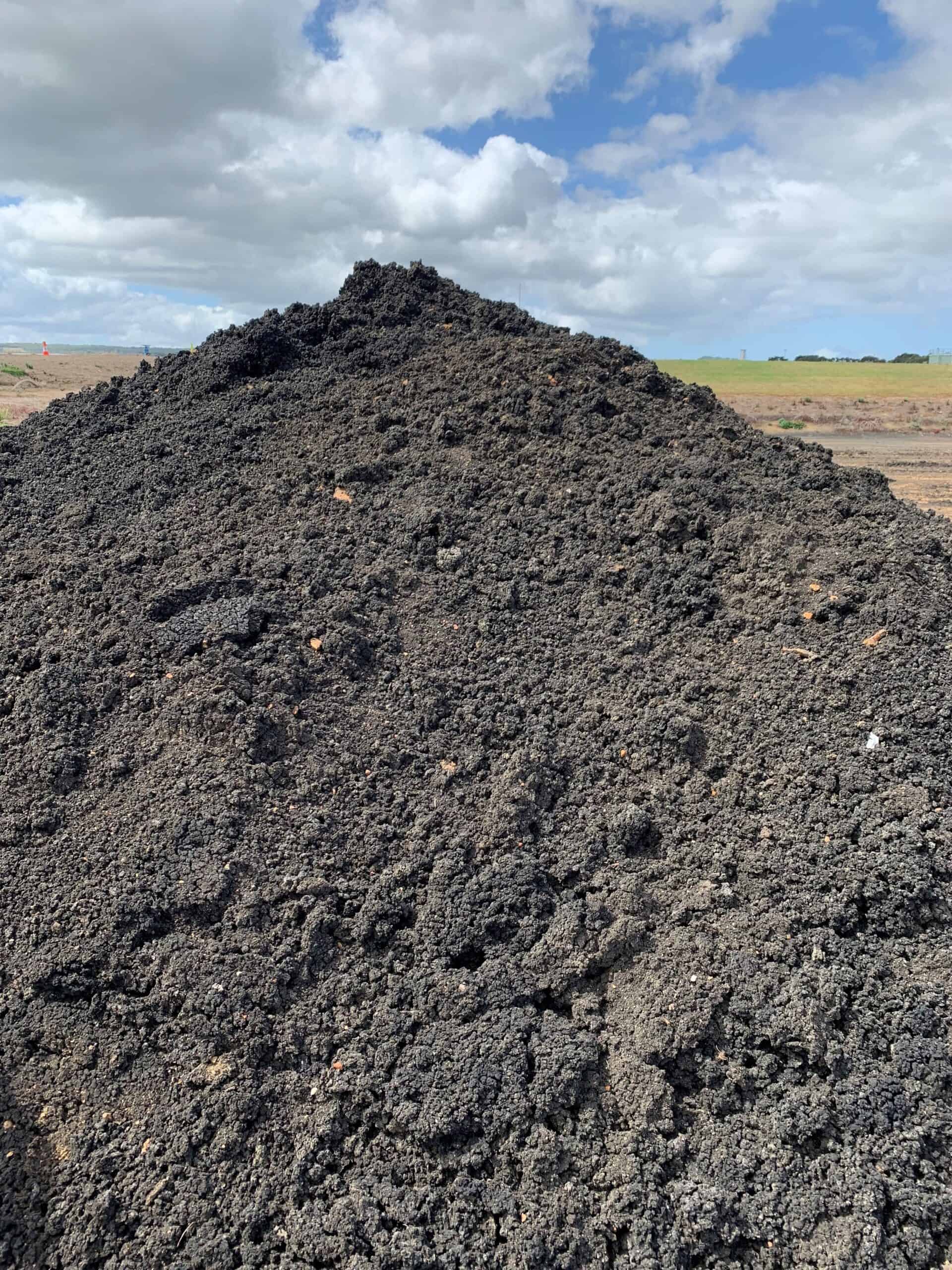
Wastewater treatment is a significant source of the water sector’s greenhouse gas emissions. Biosolids — the solid by-product of that treatment — are rich in nitrogen, phosphorus and carbon, but stockpiling, disposal and land application can all release emissions.

They can also carry PFAS, heavy metals and microplastics, creating regulatory, environmental and market challenges. The 2026 challenge sought solutions that turn that risk into recoverable value.

01

Resource recovery

Exploring how to recover value from biosolids, delivering Action 5.4 of Water for Victoria

02

Emerging compliance risks

Addressing current and emerging contaminant risks, including alignment with the PFAS National Environmental Management Plan (NEMP) 3.0.

03

Low-carbon, circular outcomes

Reducing the barriers that stand between biosolids and low-carbon, circular economy outcomes.

2026 WINNERS

The projects funded to transform biosolids management

Congratulations to the following water corporations, recommended to the Minister for Water for funding following the final pitch event on 2 September 2026.
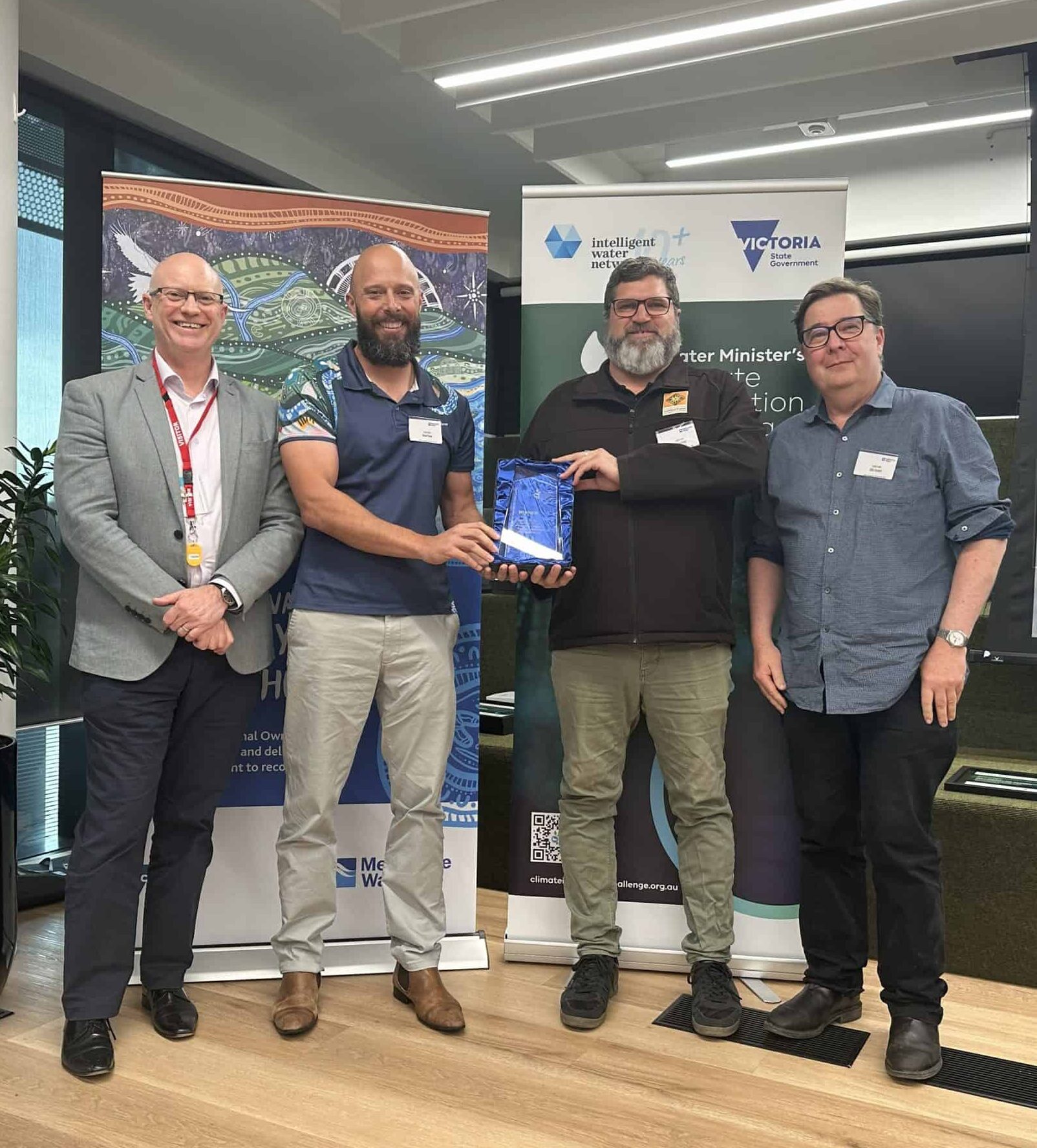
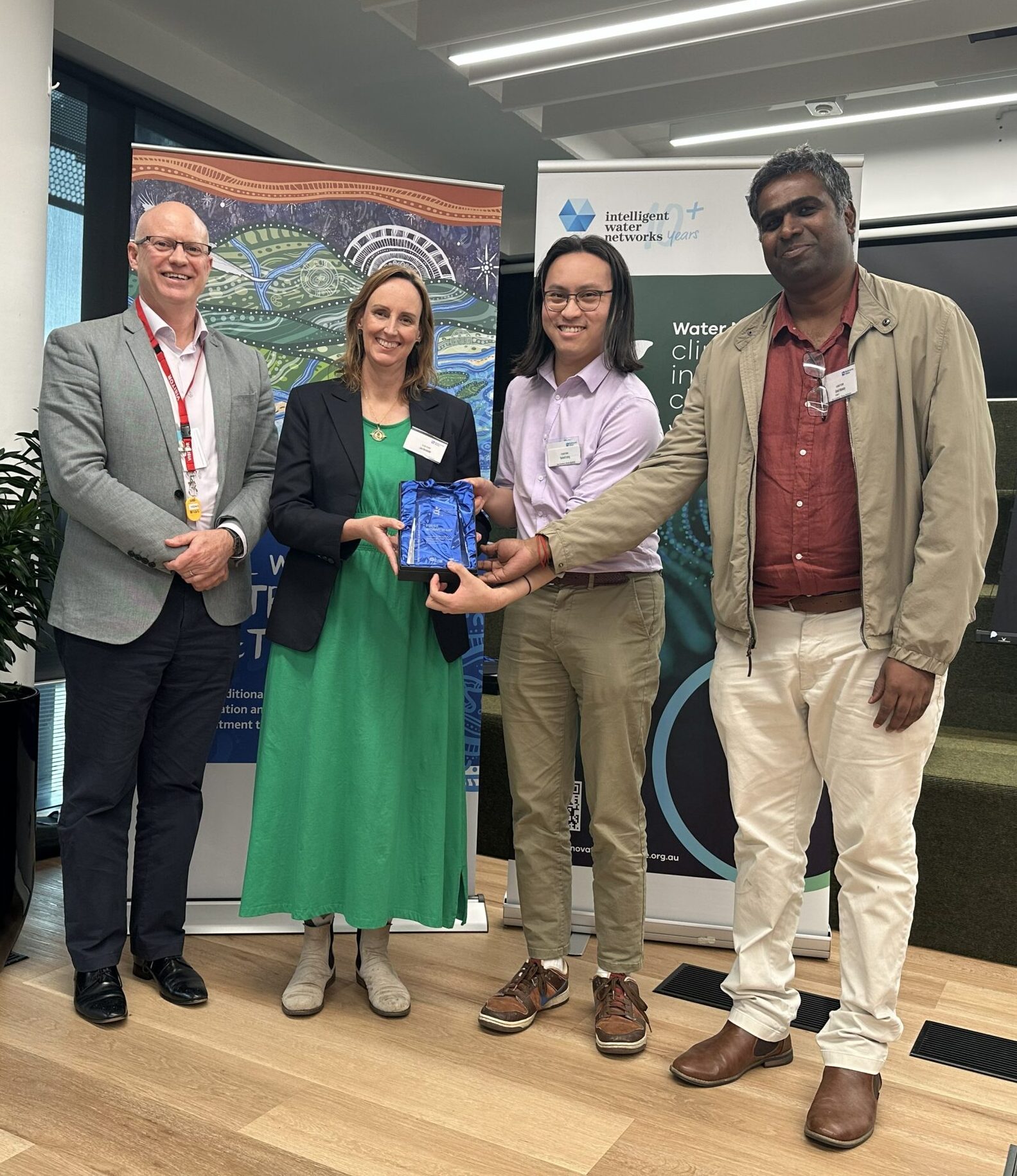
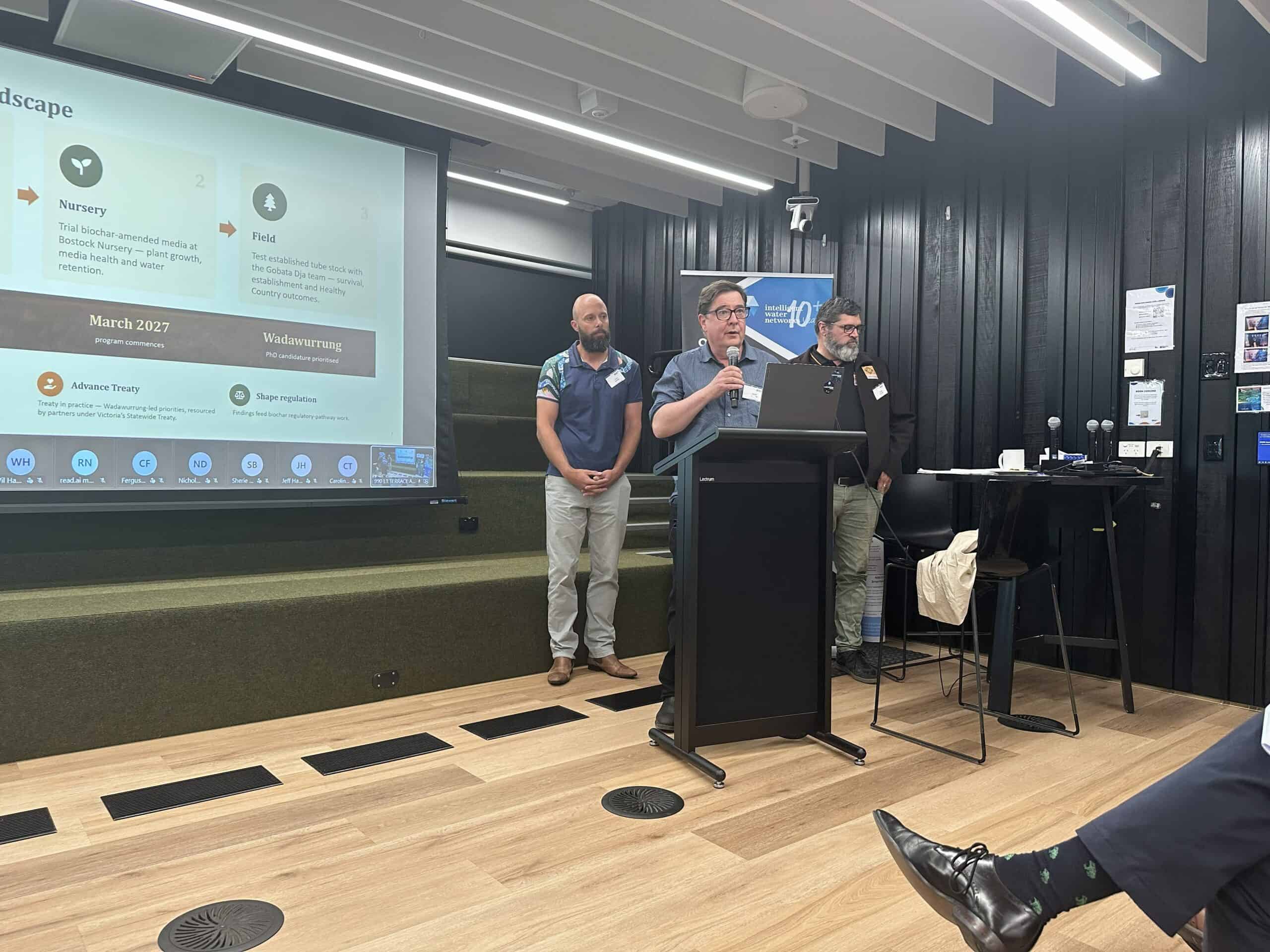
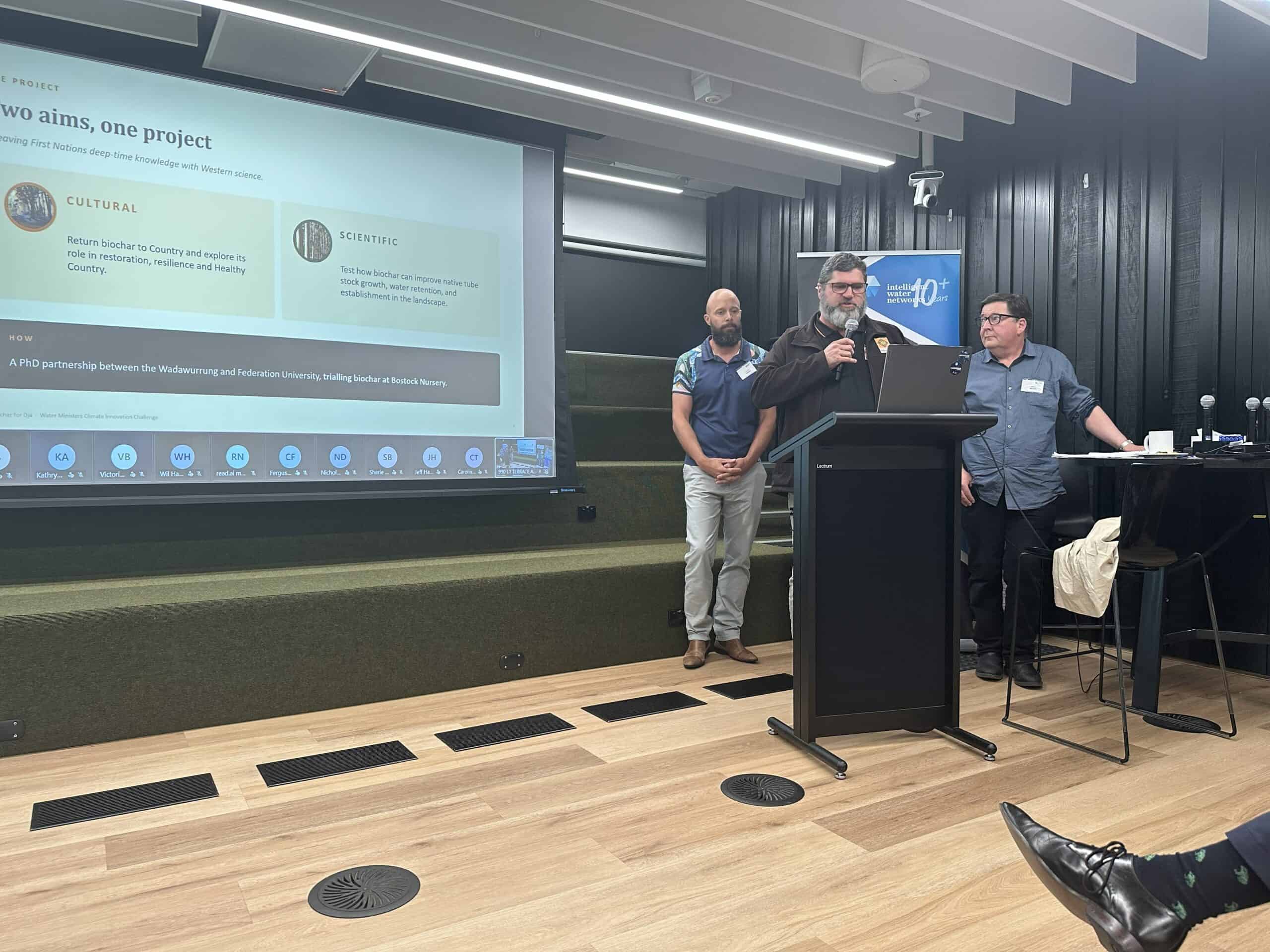
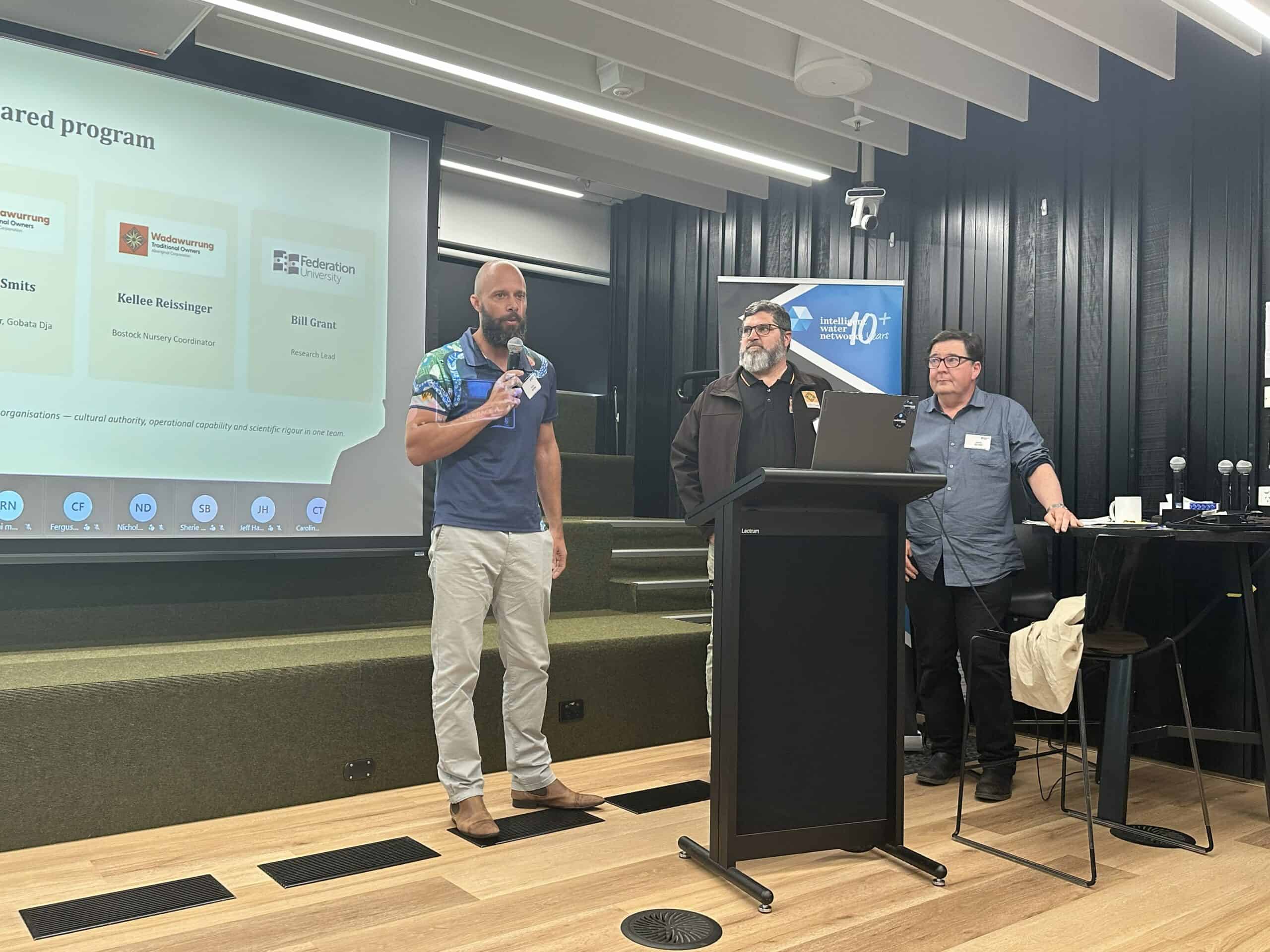
BARWON WATER with Wadawurrung Traditional Owners Aboriginal Corporation and Federation University Australia.

Biochar for Dja (Country): Co-designing climate-Resilient Landscapes with Wadawurrung

This project aims to transform biosolids-derived biochar and water treatment solids into valuable resources for growing native plants and restoring degraded landscapes across Wadawurrung Dja.

By improving soil health, water retention and plant resilience, the project can support biodiversity and climate adaptation while creating a scalable circular economy pathway for water sector residuals.

CENTRAL HIGHLANDS WATER with RMIT University, Greater Western Water, Barwon Water & Saunders Aquametro

Upcycling Biosolids-derived Biochar: three products, one feedstock

This project aims to transform biosolids-derived biochar into three high-value engineered products: water-treatment media, fire-resistant cladding panels and HDPE composite infrastructure components.

By locking carbon into durable materials and reducing reliance on emissions-intensive alternatives, the project can create new circular economy pathways for biosolids while supporting emissions reduction and long-term resource recovery across the Victorian water sector.

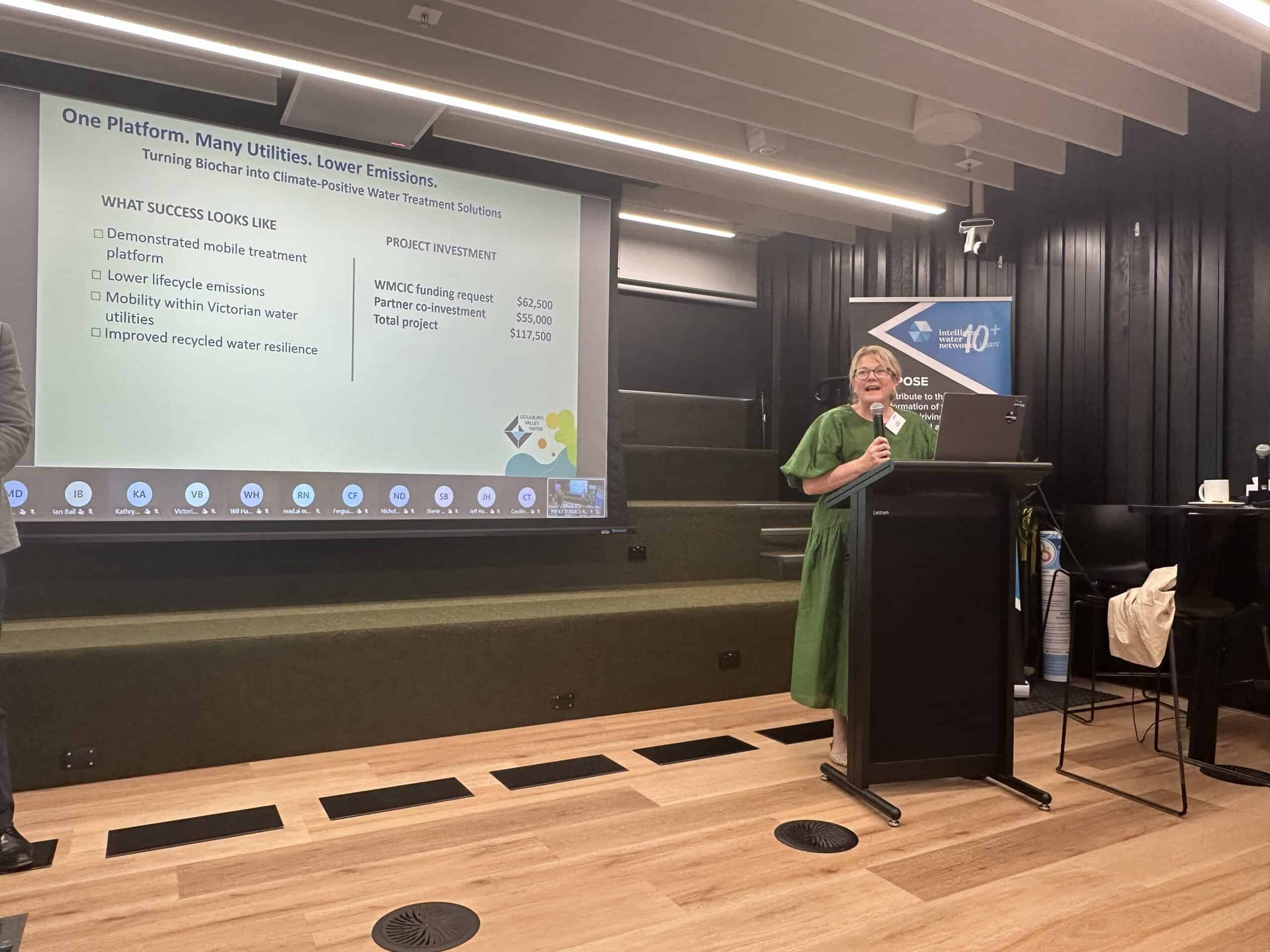
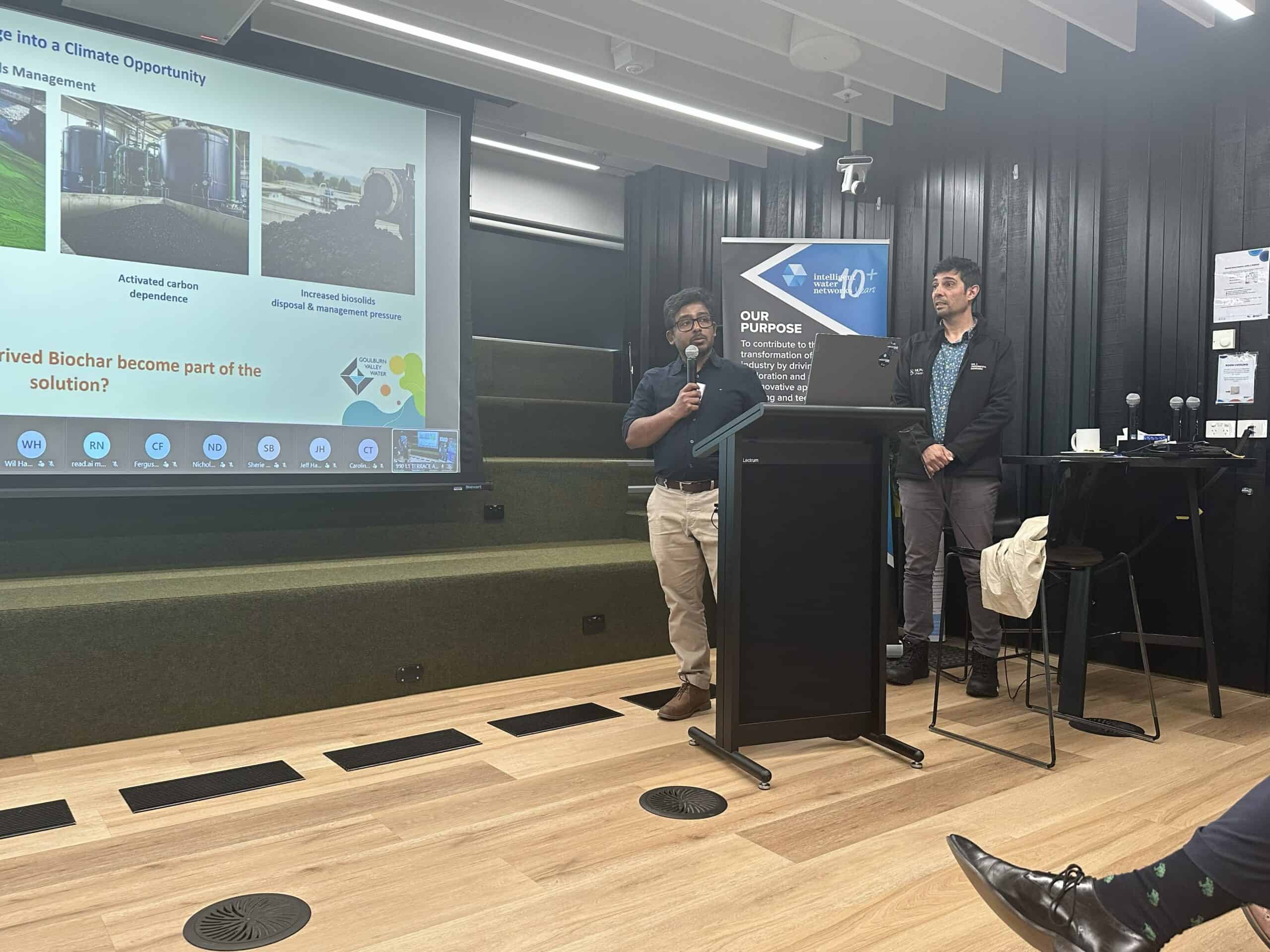
GOULBURN VALLEY WATER with Barwon Water and Monash University

BioSorb Mobile

This project aims to transform biosolids into engineered biochar that, combined with ozone nanobubbles, can remove algal cells, toxins and other contaminants from recycled wastewater.

By creating a mobile, circular treatment solution, the project can reduce biosolids waste, reliance on carbon-intensive treatment materials and emissions, while supporting more resilient recycled water supplies across Victoria.

BARWON WATER with RMIT University

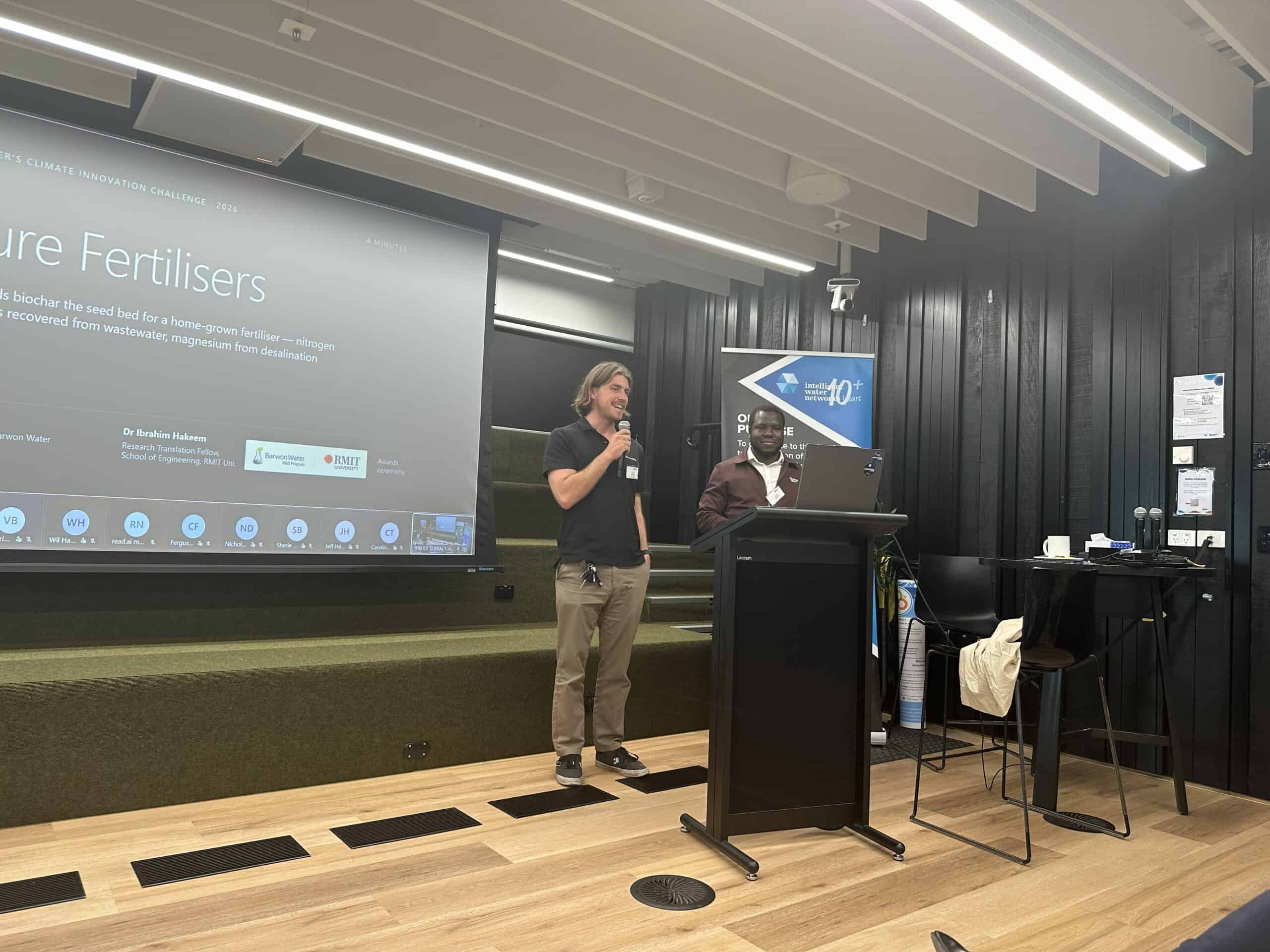
Future Fertiliser! Nutrient Enriched Biochar

This project aims to transform biosolids-derived biochar into a nutrient-rich, slow-release fertiliser by recovering nitrogen and phosphorus from wastewater and magnesium from desalination brine.

By bringing these resources together, the project can reduce reliance on imported fertilisers and conventional nutrient removal processes, while creating a higher-value circular use for biosolids and supporting lower-emissions agriculture.

BARWON WATER with Deakin University and genU

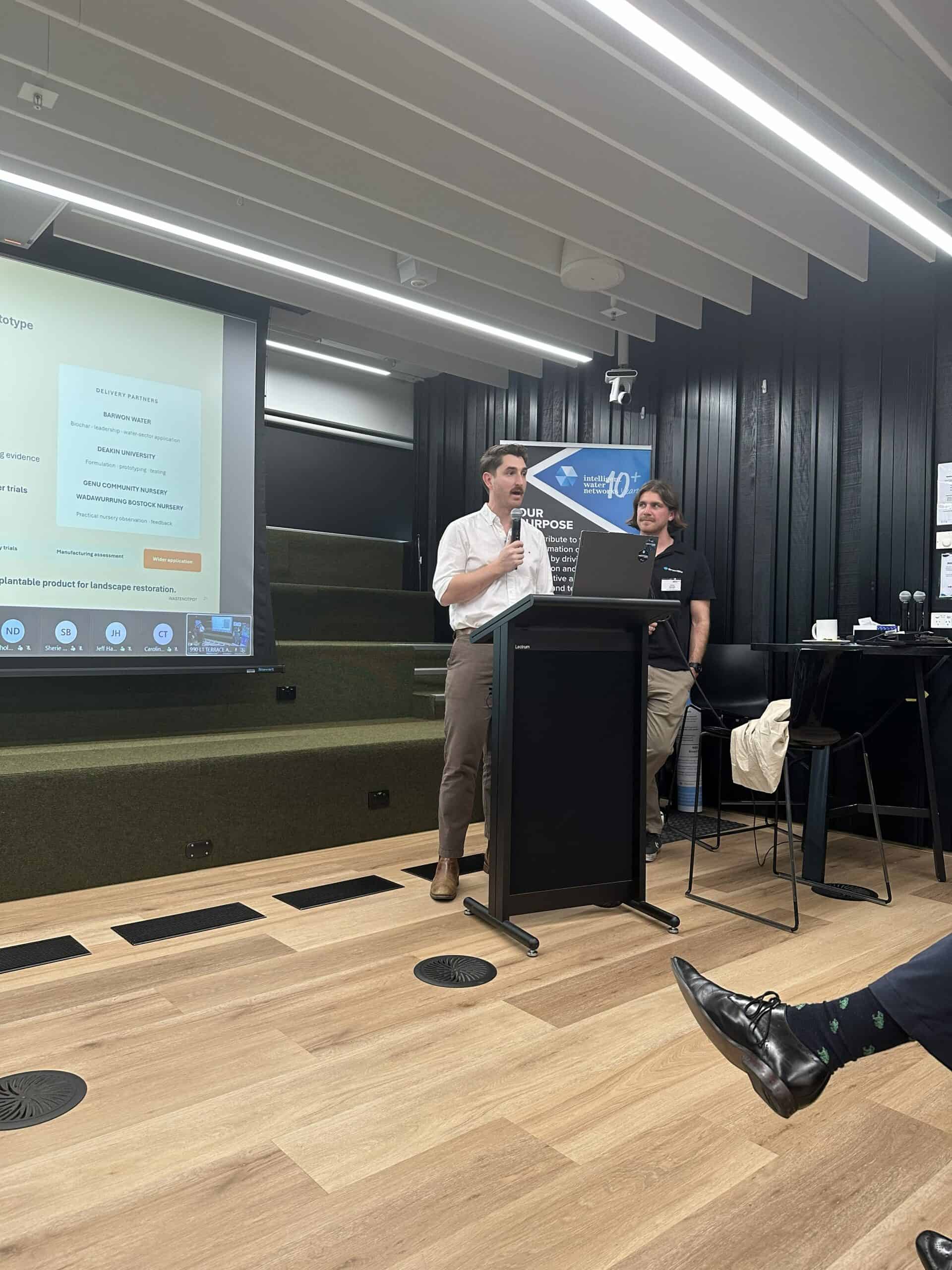
WasteNotPot – Transforming Biosolids-Derived Biochar into Biodegradable Nursery Pots

This project aims to transform biosolids-derived biochar into biodegradable nursery pots, providing a sustainable alternative to traditional fossil fuel-derived plastic pots.

By creating a circular use for biochar and reducing plastic production and waste, the project can support lower-emissions revegetation and landscape restoration while creating a scalable new market for biosolids-derived products.

WANNON WATER

Industrial Ecology – Source Management Options for Biosolids

This project aims to map contamination sources across Wannon Water’s five largest sewerage networks to better understand their impacts on biosolids quality and recovery opportunities.

By identifying contaminants such as emerging chemicals, metals and salts at the source, the project will support the development of a long-term strategy to reduce contamination risks, improve biosolids quality and unlock future reuse opportunities.

EAST GIPPSLAND WATER with Gippsland Agricultural Group and East Gippsland Shire Council

Small Towns, Big Impact: Climate-Smart Biosolids Management

This project aims to transform biosolids and council green waste into nutrient-rich compost for local agriculture through a validated, low-cost composting process.

By reducing the need for long-distance transport, storage and synthetic fertilisers, the project can lower emissions and costs while creating a scalable, replicable model for regional water corporations and councils to support sustainable biosolids reuse.

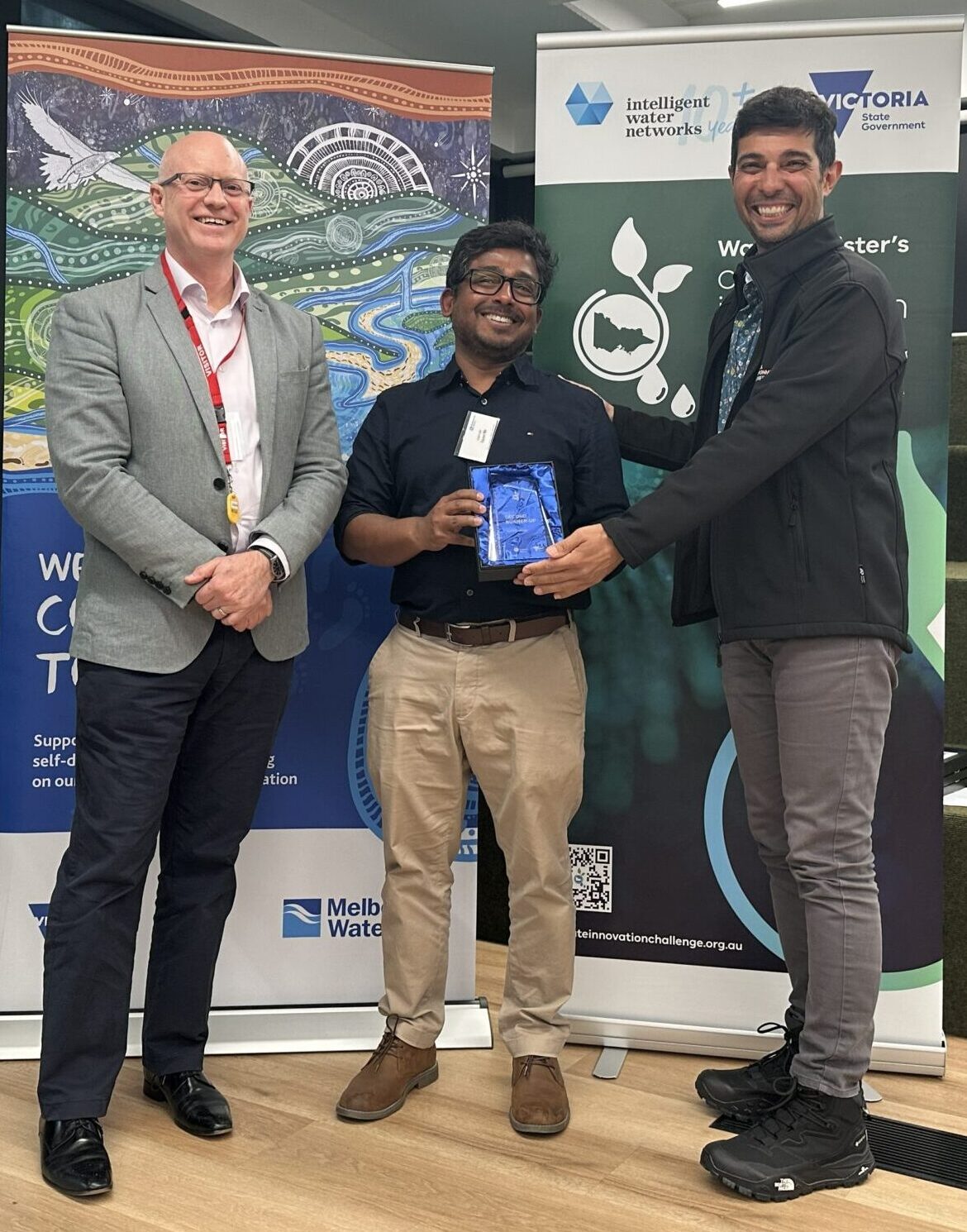
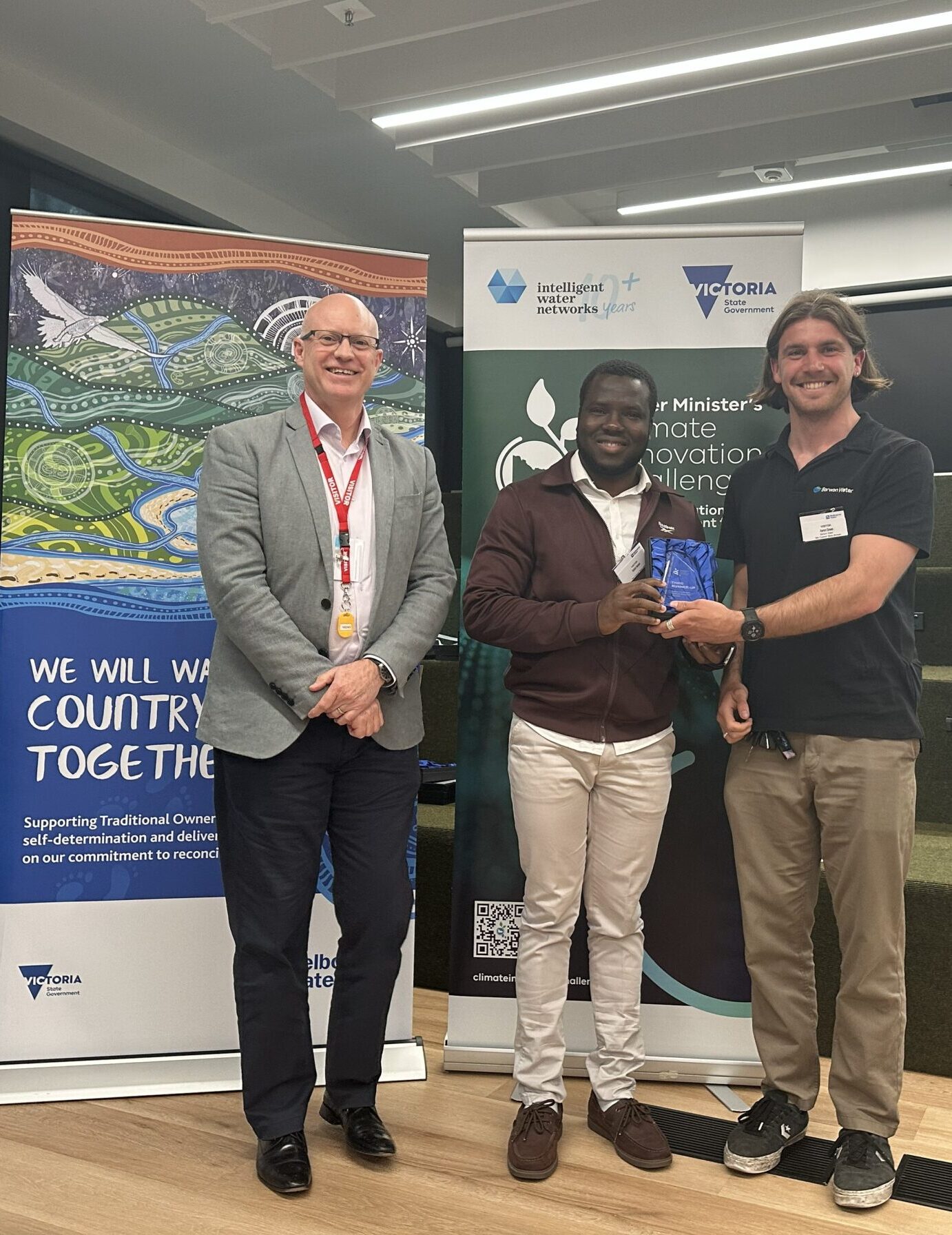
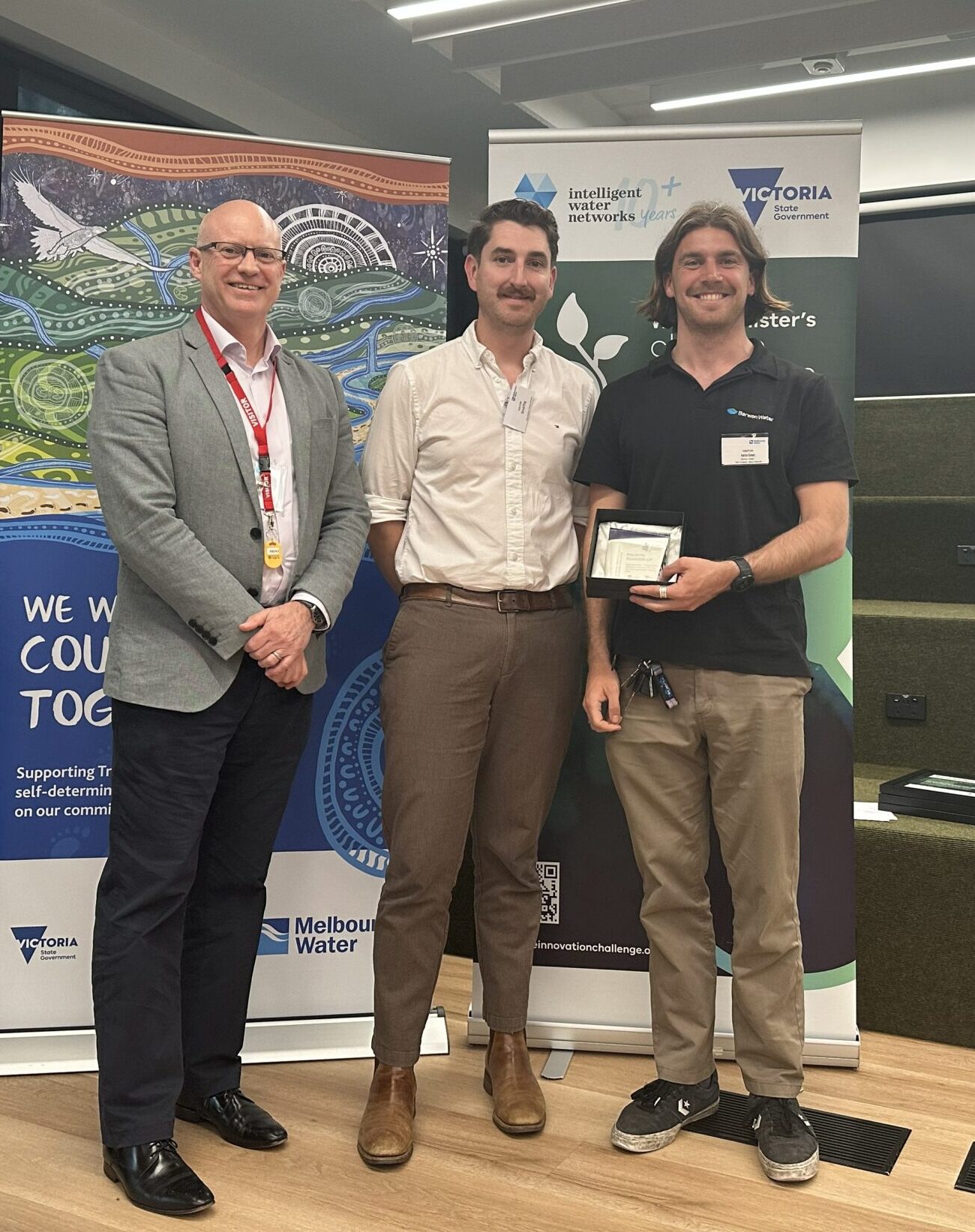
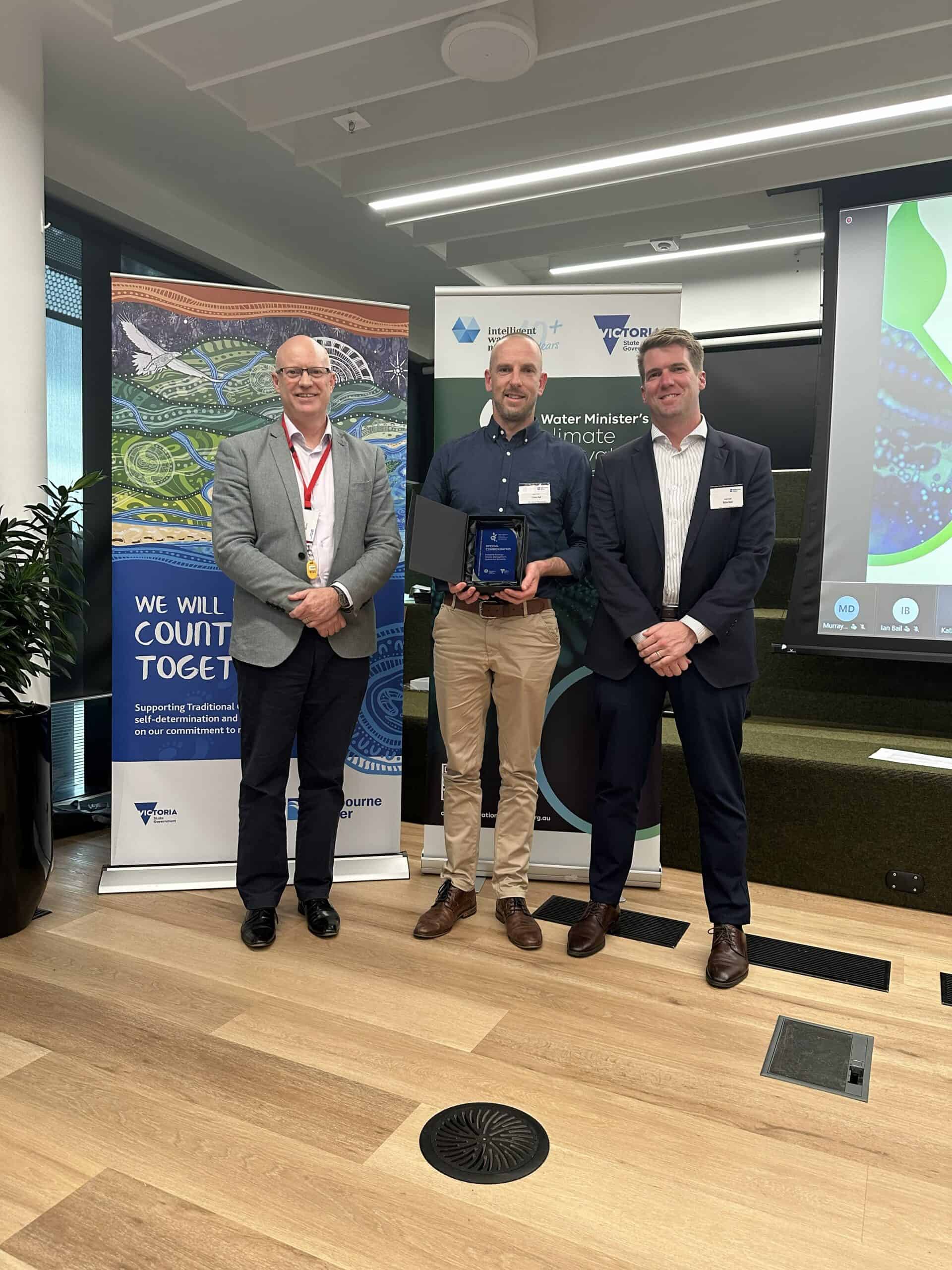
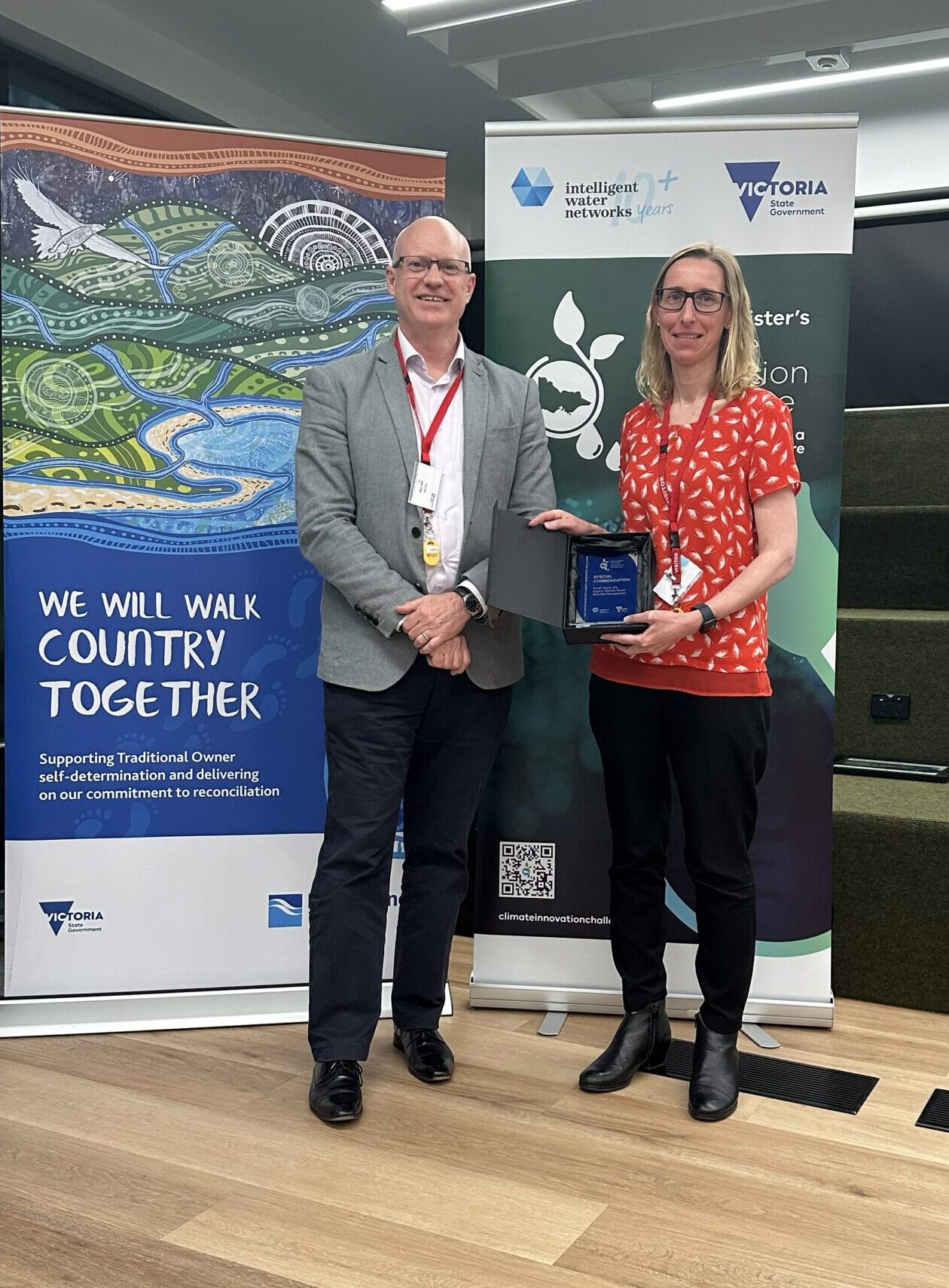
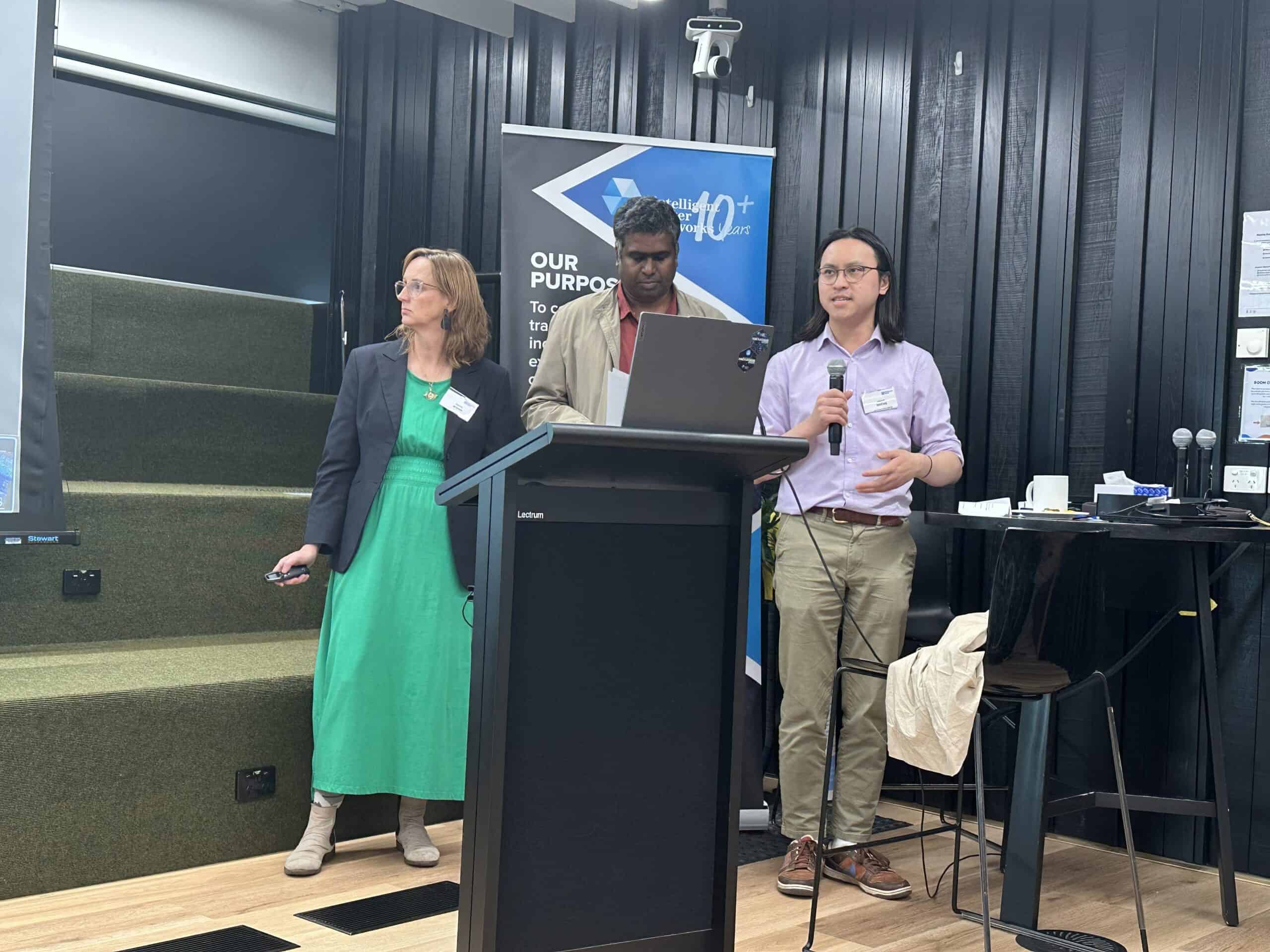
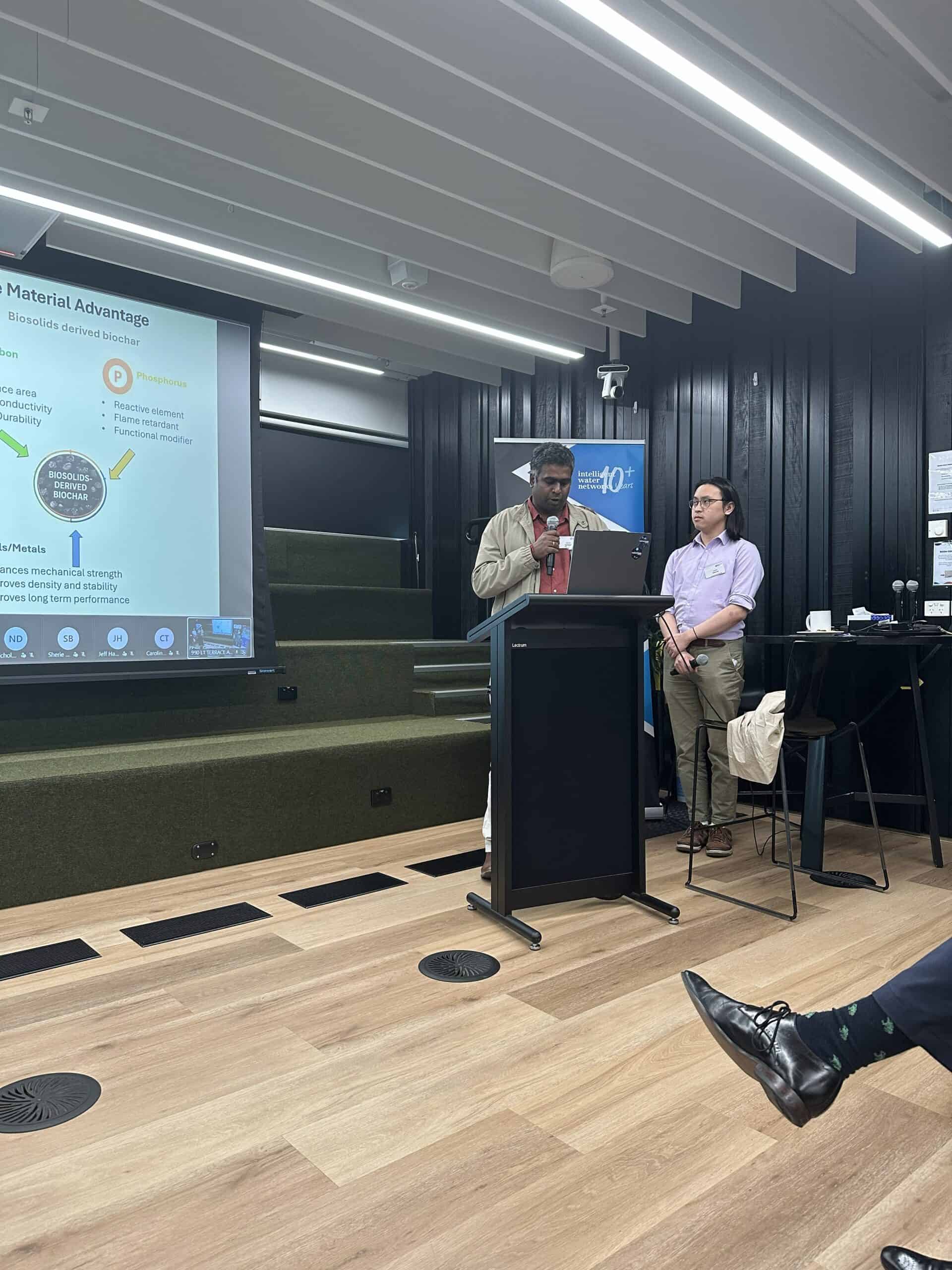
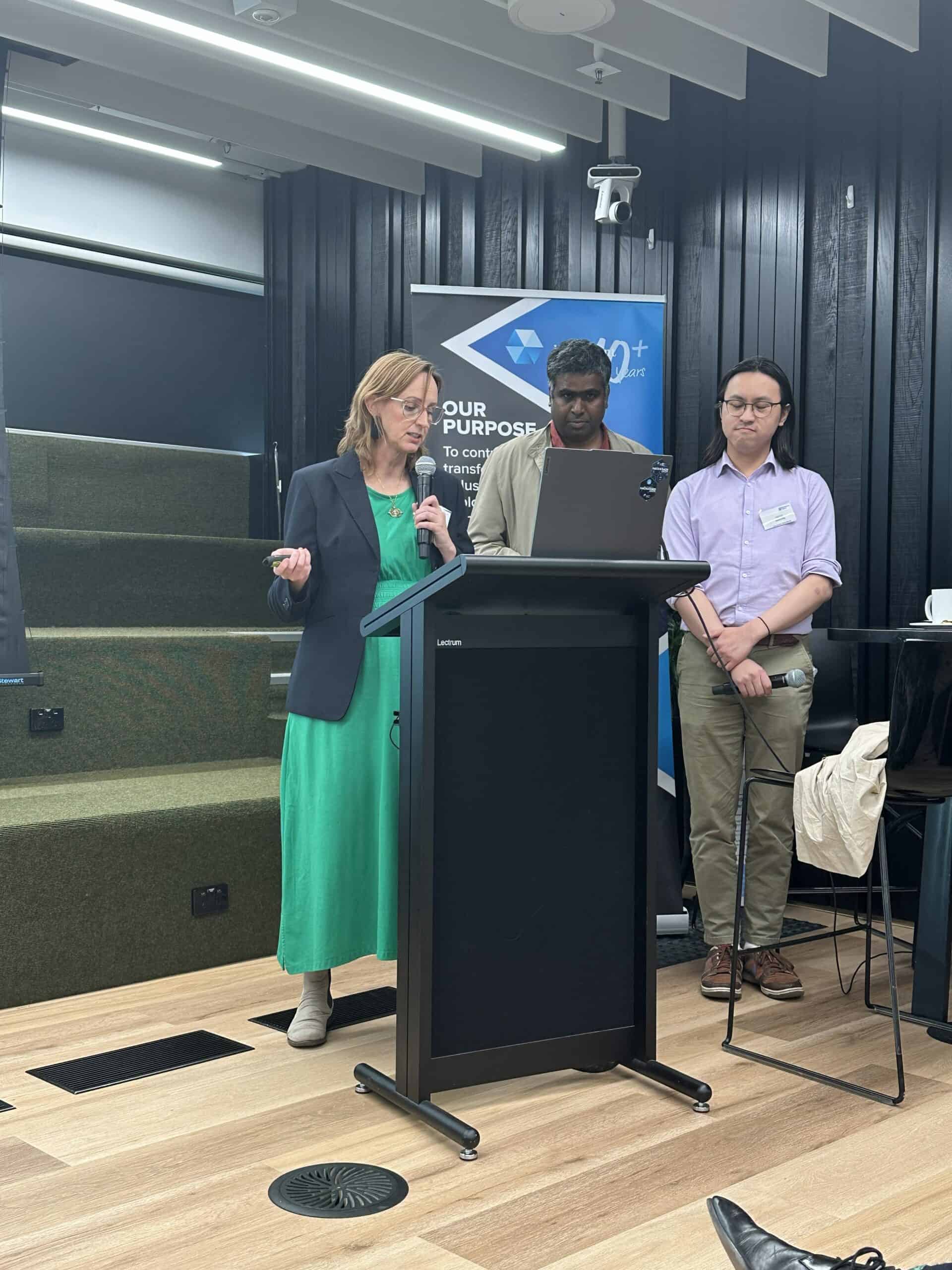
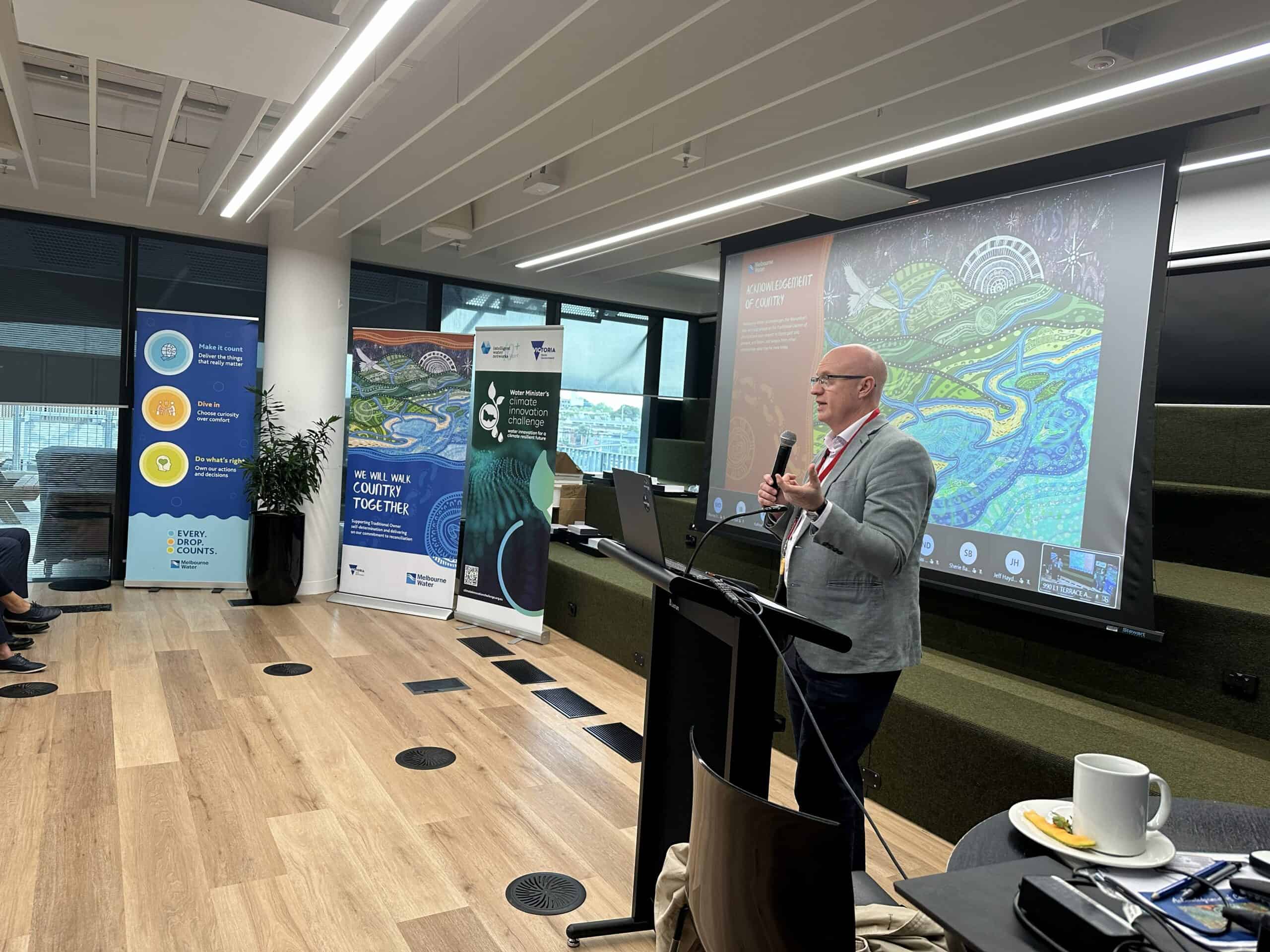
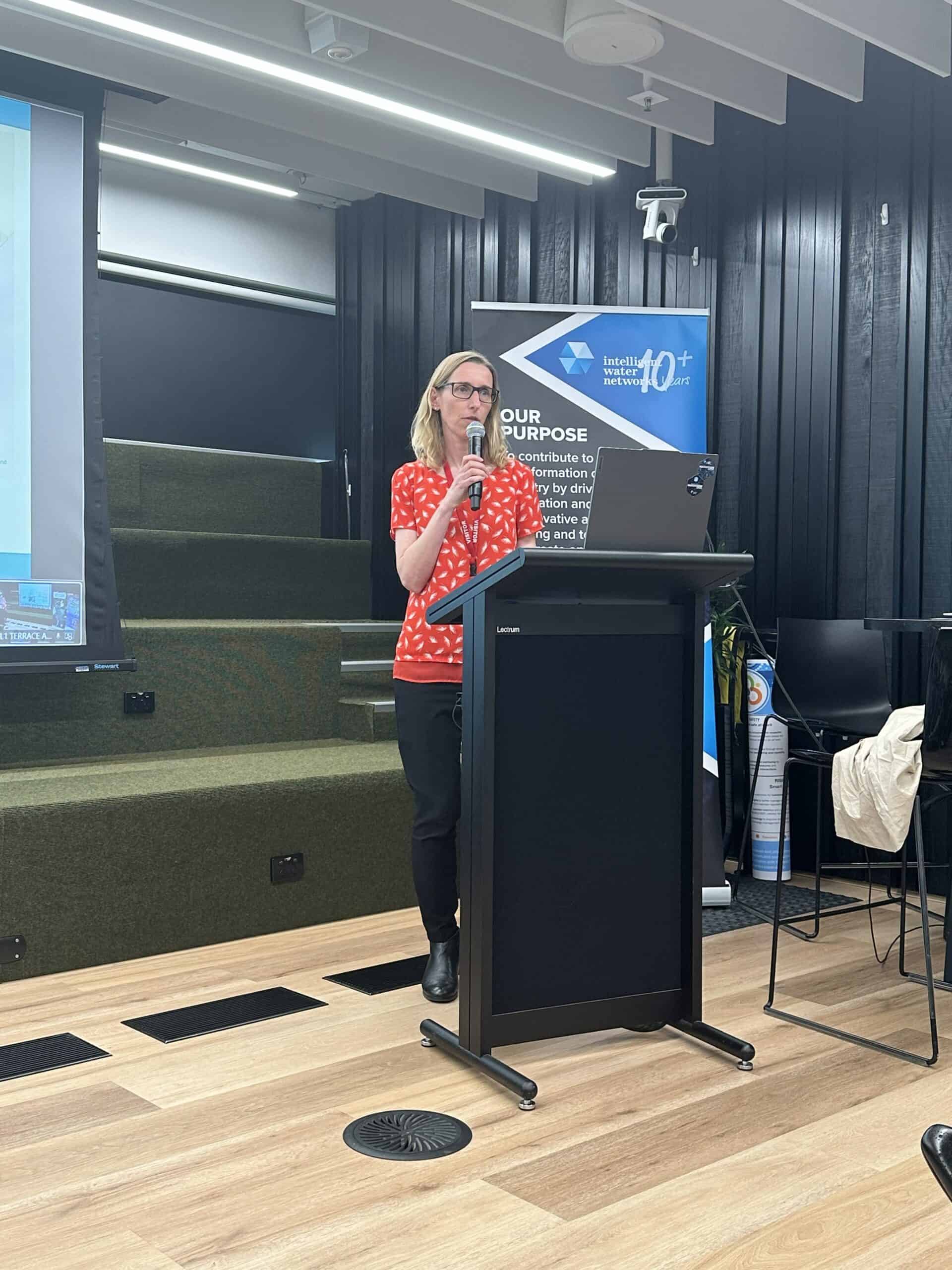
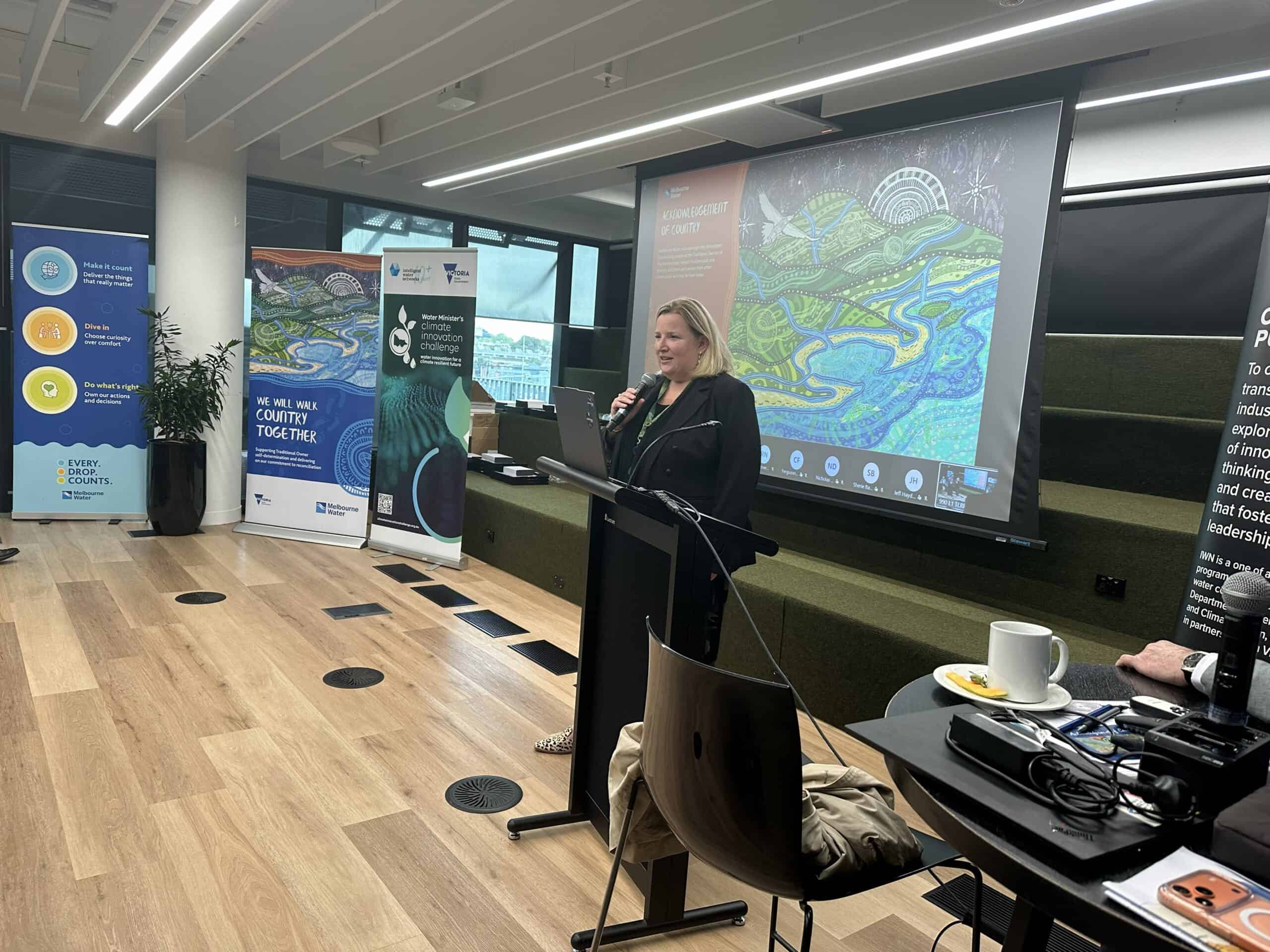
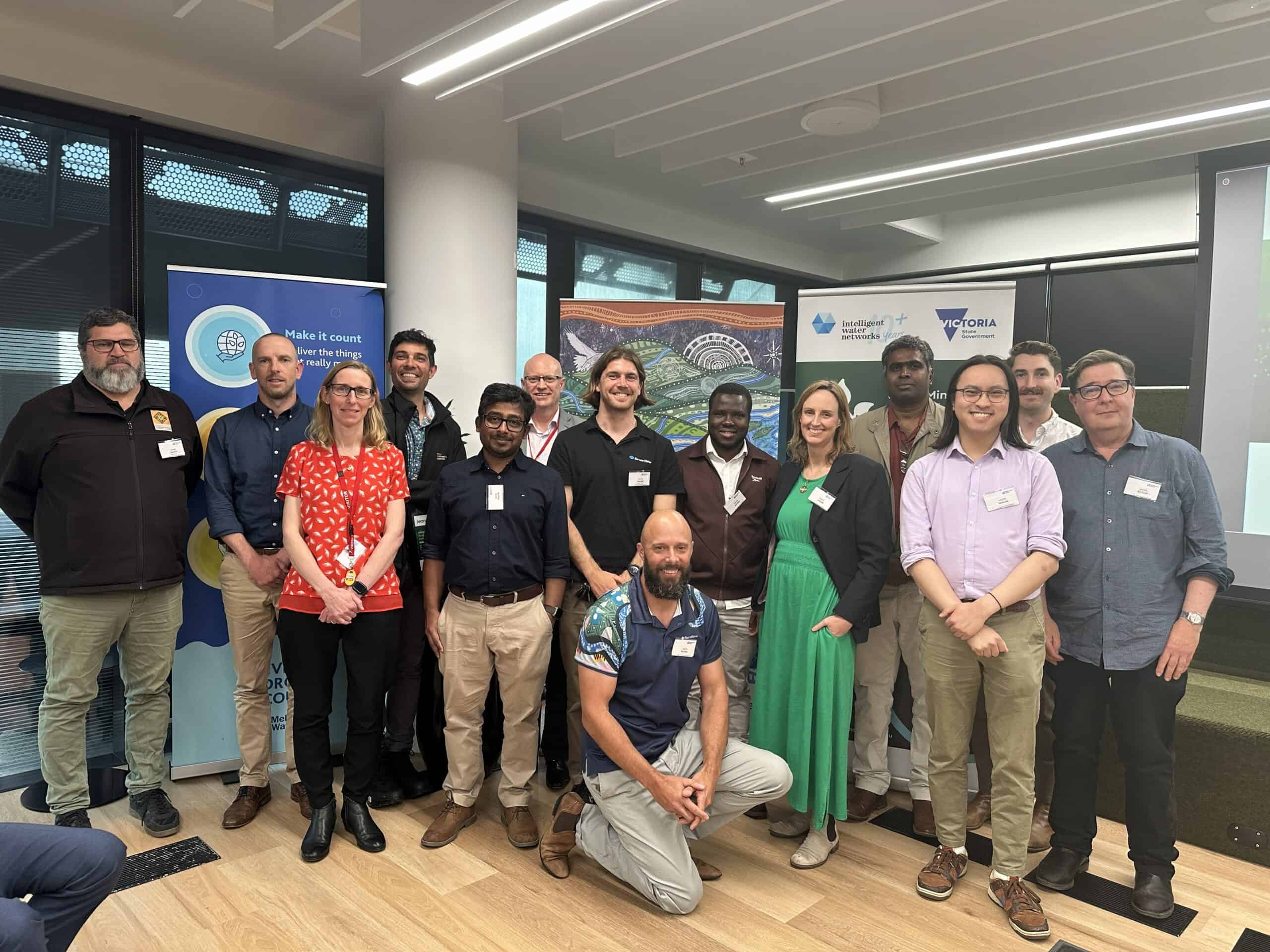
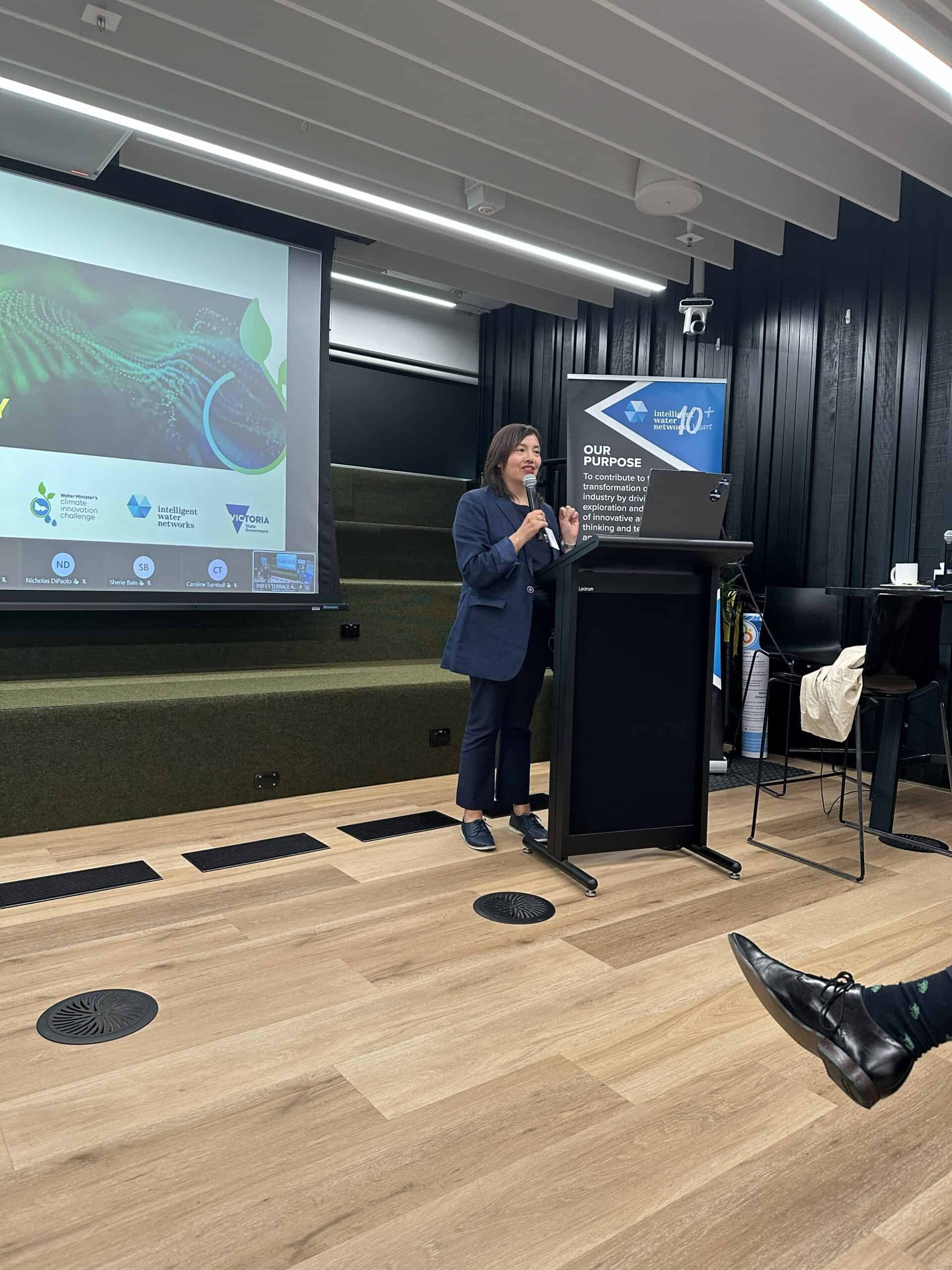
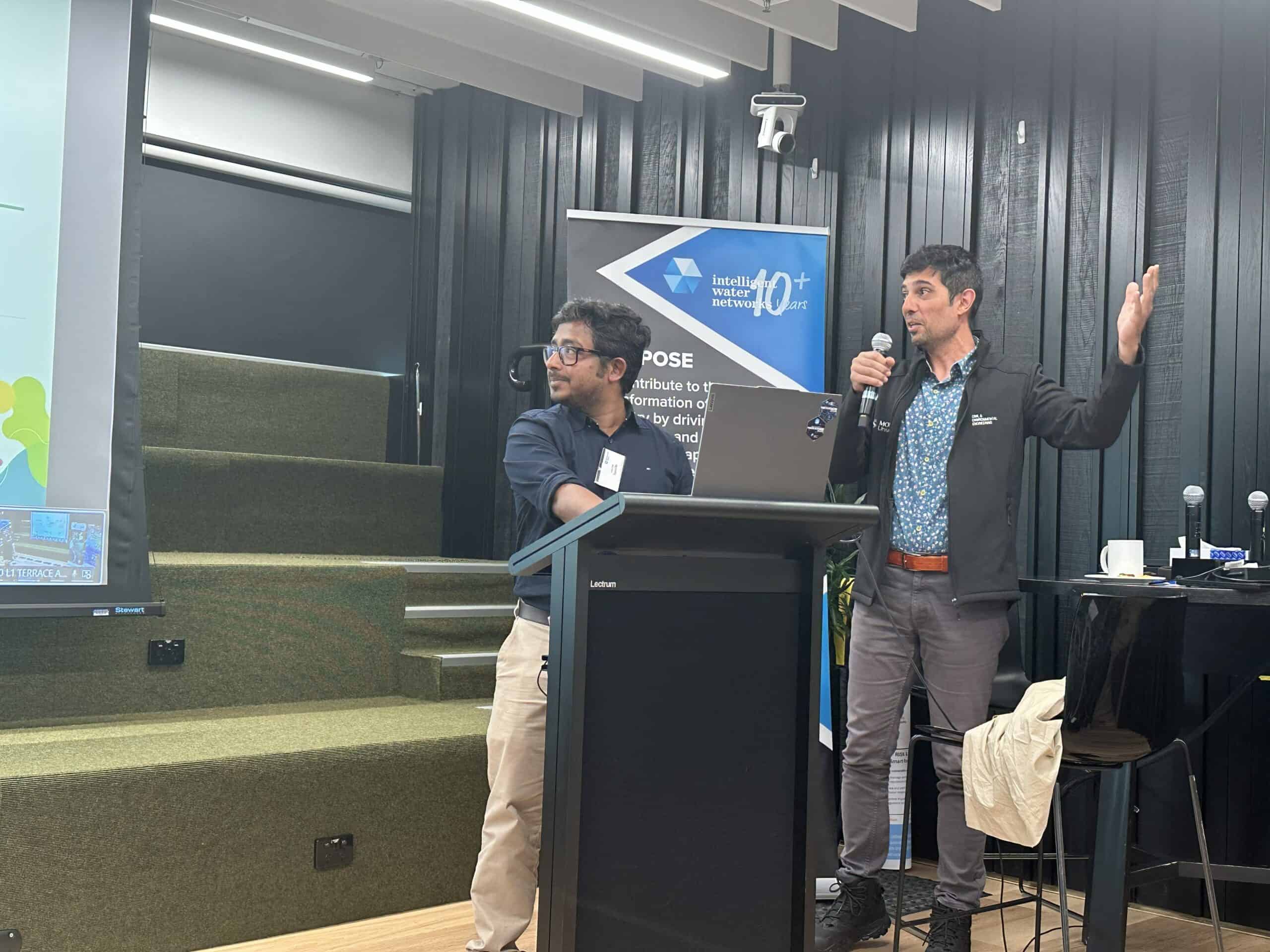
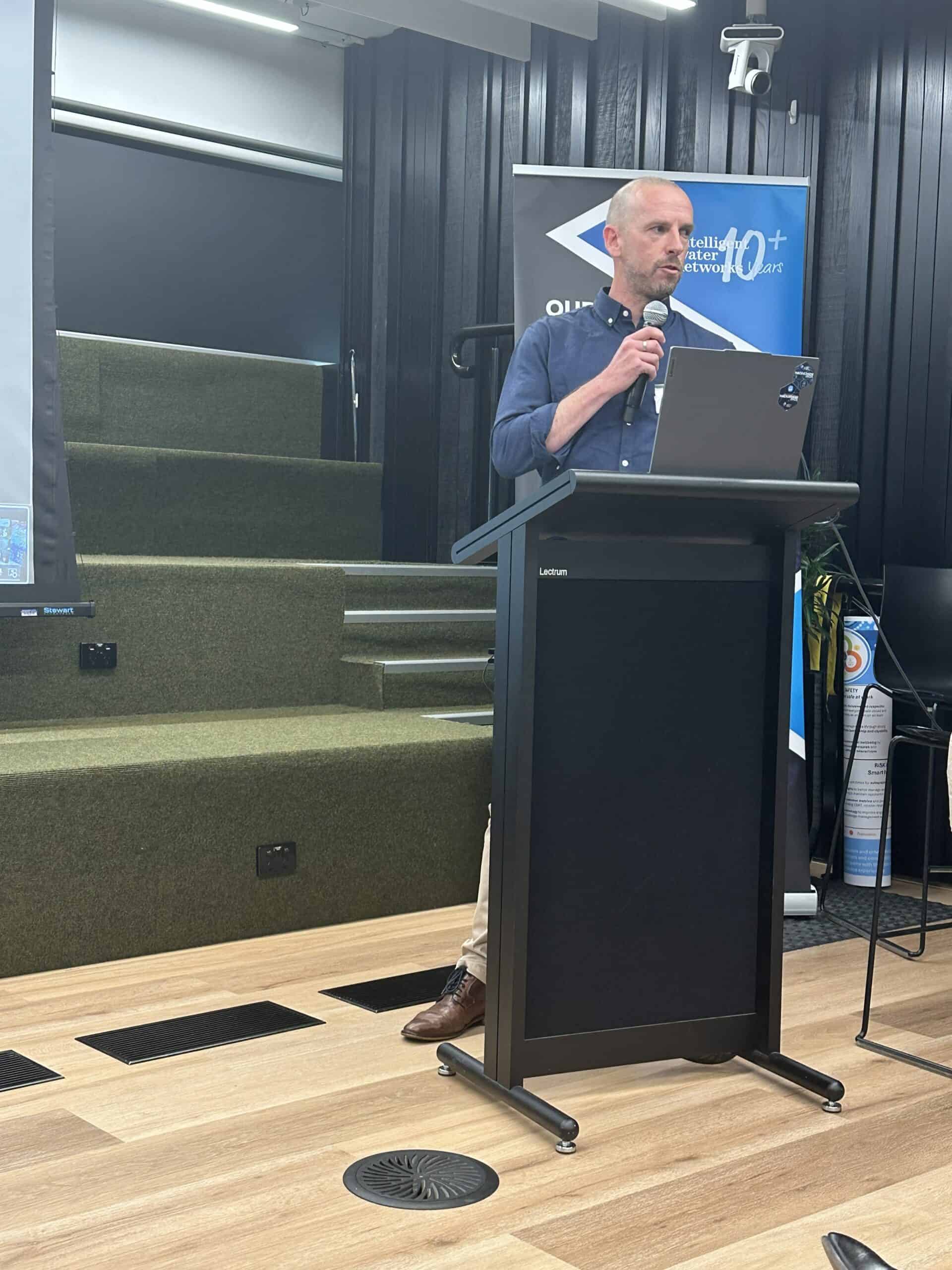
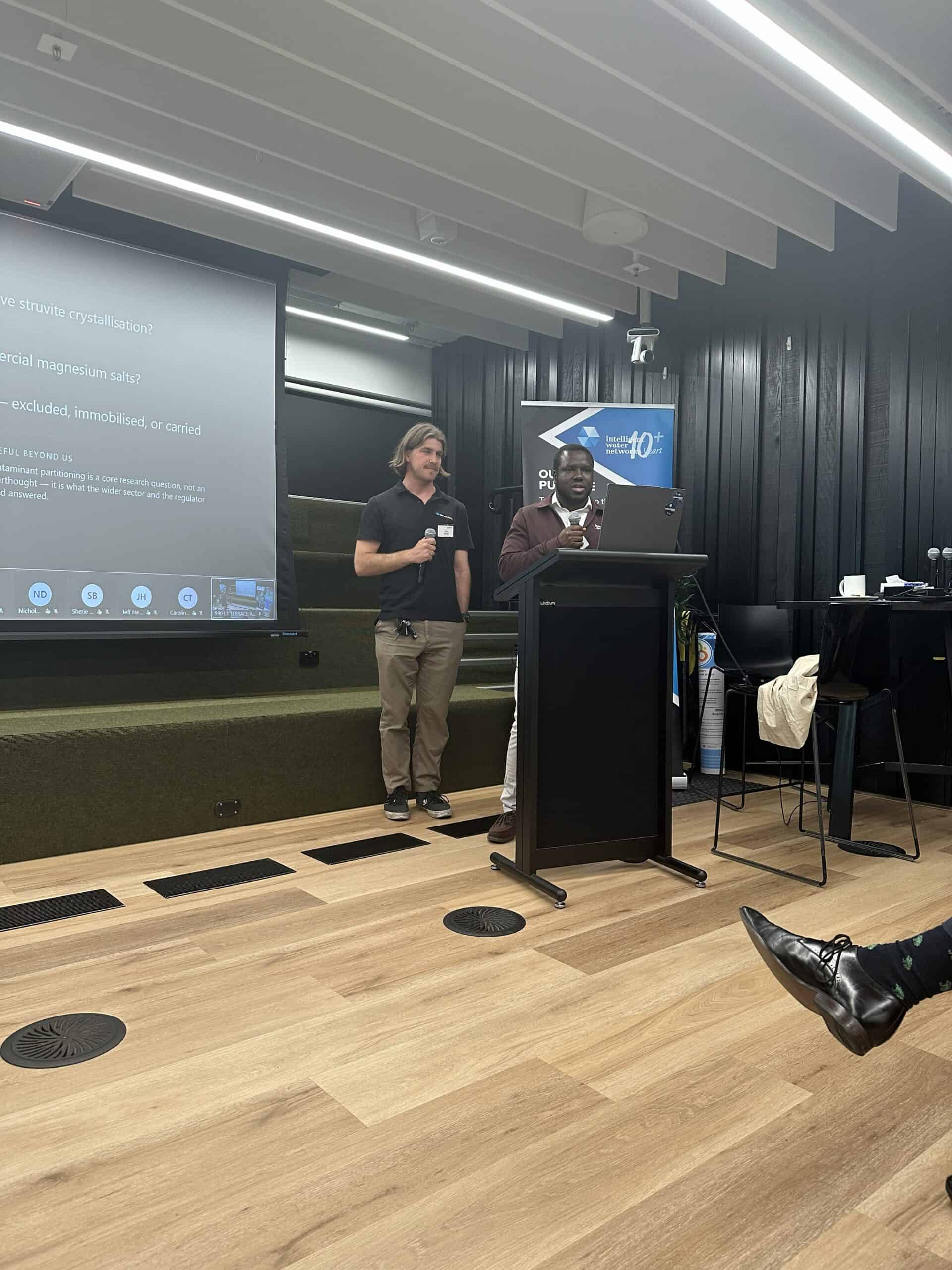
Photos from the 2026 WMCIC Award Ceremony

Come and check out the photos from the WMCIC Award Ceremony below and for even more photos please use the following link
Final Pitches for the 2026 Challenge

Check out the final pitches from each of the Submissions to learn more about the projects.

BioSorb Mobile

Upcycling Biosolids derived Biochar – Three Products, One feedstock

Industrial Ecology – Source Management Options for Biosolids 

Small Towns, Big impact:  Climate-Smart biosolids Management 

Future Fertilisers! Nutrient Enriched Biochar

WasterNotPot – Transforming Biosolids-Derived Biochar into Biodegradable Nursery pots

Biohcar for Dja (Country): Co-designing Climate- Resilient Landscapes with Wadawurrung