The first Water Minister’s Climate Innovation Challenge

The inaugural Challenge in 2023 invited Victoria’s water corporations to put forward projects that cut emissions and build climate resilience. The winners covered low-carbon concrete, recovering cellulose from wastewater, a community power plant and real-time emissions monitoring.
$135,000

Total Prize Pool

4

Projects Funded

6

Finalists Pitched

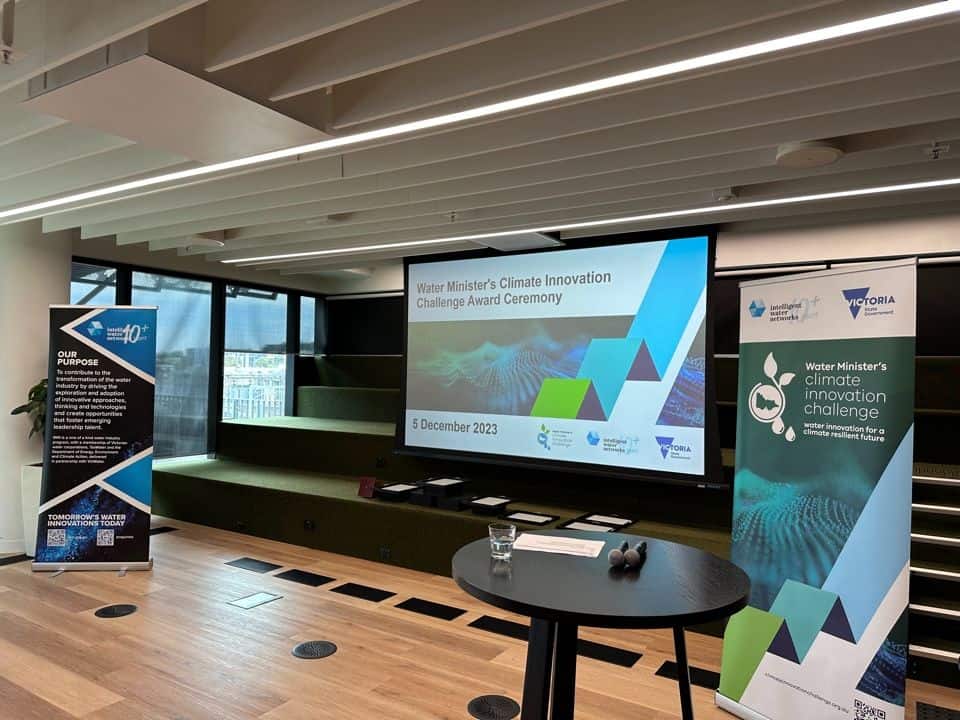
5 Dec

2023 Award Ceremony

THE 2023 CHALLENGE

Why a climate innovation challenge

Climate change is already affecting Victoria’s water sector, from water security to the growing risk of floods, fires and drought arriving close together. The sector is also a significant source of emissions, particularly from wastewater treatment.

The Challenge was launched in 2023 to give water corporations a structured way to try new ideas, share what they learn and work together on the climate problems they share. Every entry had to be led by a Victorian water corporation, with partners welcome.

01

Diverse water supplies

Making more use of stormwater, recycled water and other sources so supply holds up in a drier climate.

02

Resilient infrastructure and natural assets

Protecting pipes, plants and waterways from heat, flood, fire and storms.

03

Operational resilience and efficiency

Running water services with less energy, fewer emissions and less disruption.

04

Engaged communities

Working with customers, Traditional Owners and local communities on climate action.

05

Orderly Transition

Planning a steady shift to net zero and to the climate Victoria will face.

RESULTS

2023 WINNERS

Congratulations to the following water corporations, recommended to the Minister for Water for funding following the final pitch event on 2 September 2026.
YARRA VALLEY WATER with Barwon Water and North East Water

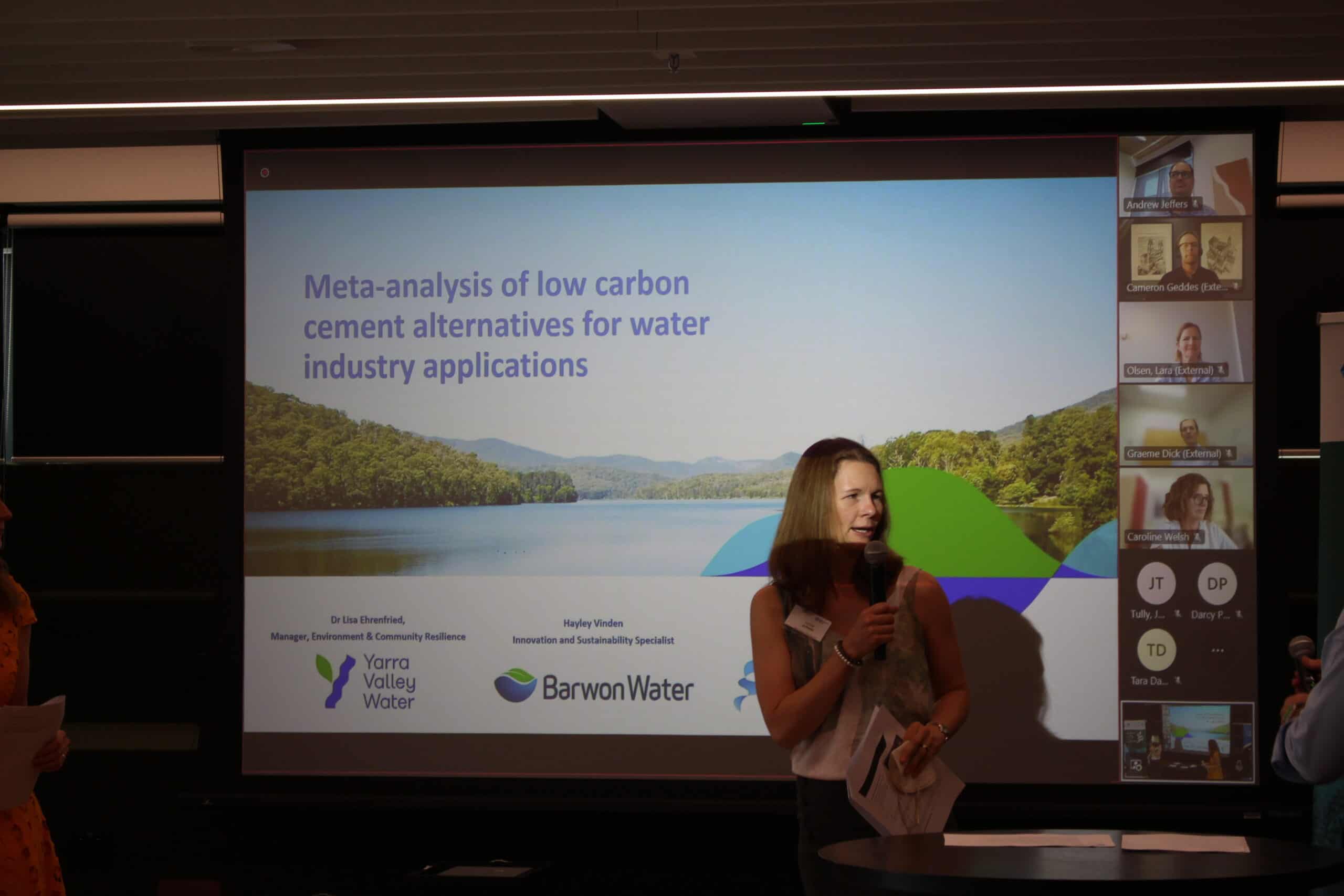
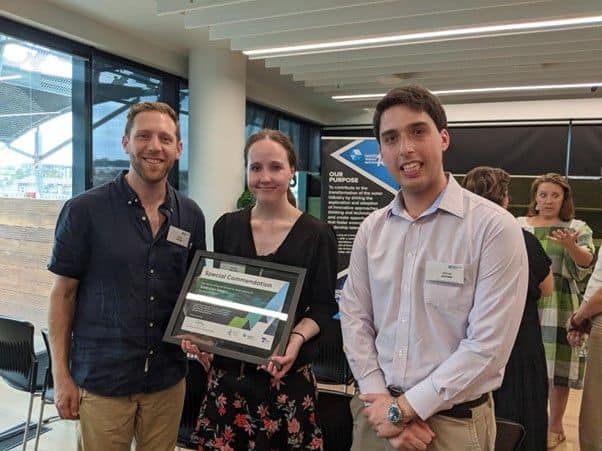
Meta-analysis of Low Carbon Cement Alternatives for Water Industry Applications

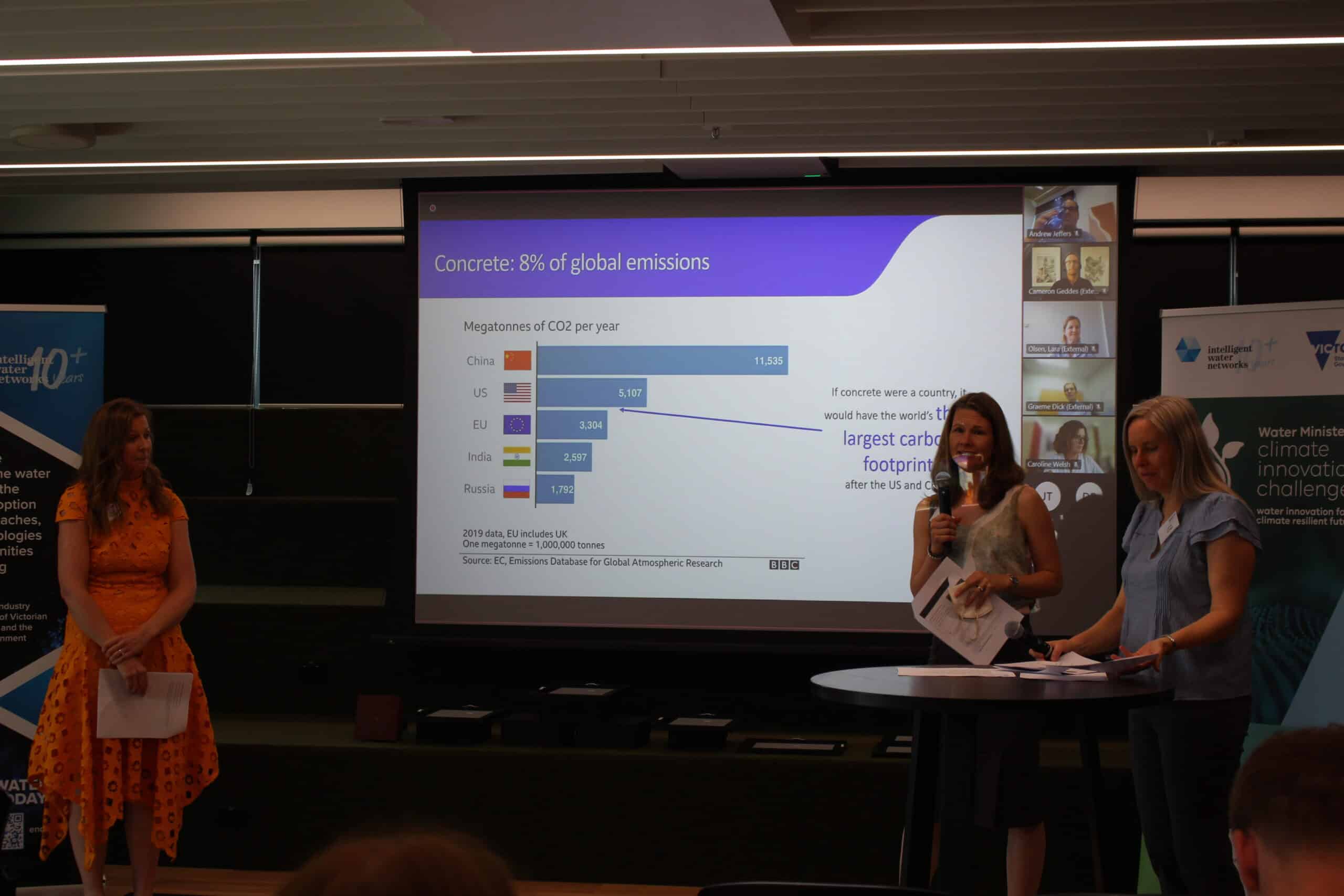
Global cement production accounts for around 8% of global emissions. Low carbon alternatives to concrete such as geopolymer concrete, could reduce the carbon impact of capital works and reduce scope 3 emissions for water authorities by up to 50%.

Recent carbon foot-printing of a YVW construction project calculated that the carbon footprint of the cement used in the application could be almost halved by using lower carbon alternatives (from 45 tonnes of CO2-e to 27 tonnes of CO2-e). The alternative materials also appear to have resilience benefits against fire and harsh chemical environments.

Despite their availability in the Australian market, low carbon concrete alternatives remain underutilized in the water industry. This work will form the foundation of the water industry’s knowledge on low carbon concrete alternatives, promoting further testing, approval, and inclusion in the Melbourne water retailer agencies’ online portal of adopted products and materials.

BARWON WATER with Deakin University & Cirtec

Cellulose Recovery from Wastewater

Australians use an average of 88 rolls of toilet paper each per year. Barwon Water in partnership with Deakin University and Cirtec, are evaluating a process that will extract up to 98% of the high-quality cellulose fibres from flushed toilet paper. The recovered cellulose has application in civil engineering, construction, agriculture, chemicals, energy, and paper and cardboard production and will reduce the need for virgin cellulose in these industries.

Recovery of the cellulose will lower energy consumption in wastewater treatment by 20% and increase treatment plant capacity by 10%, while reducing chemical usage, with further environmental benefits through reduction in virgin cellulose requirements. The target technology is currently in scale up in Europe with successful adoption in 4 small (500kL/d) recycled water plants.

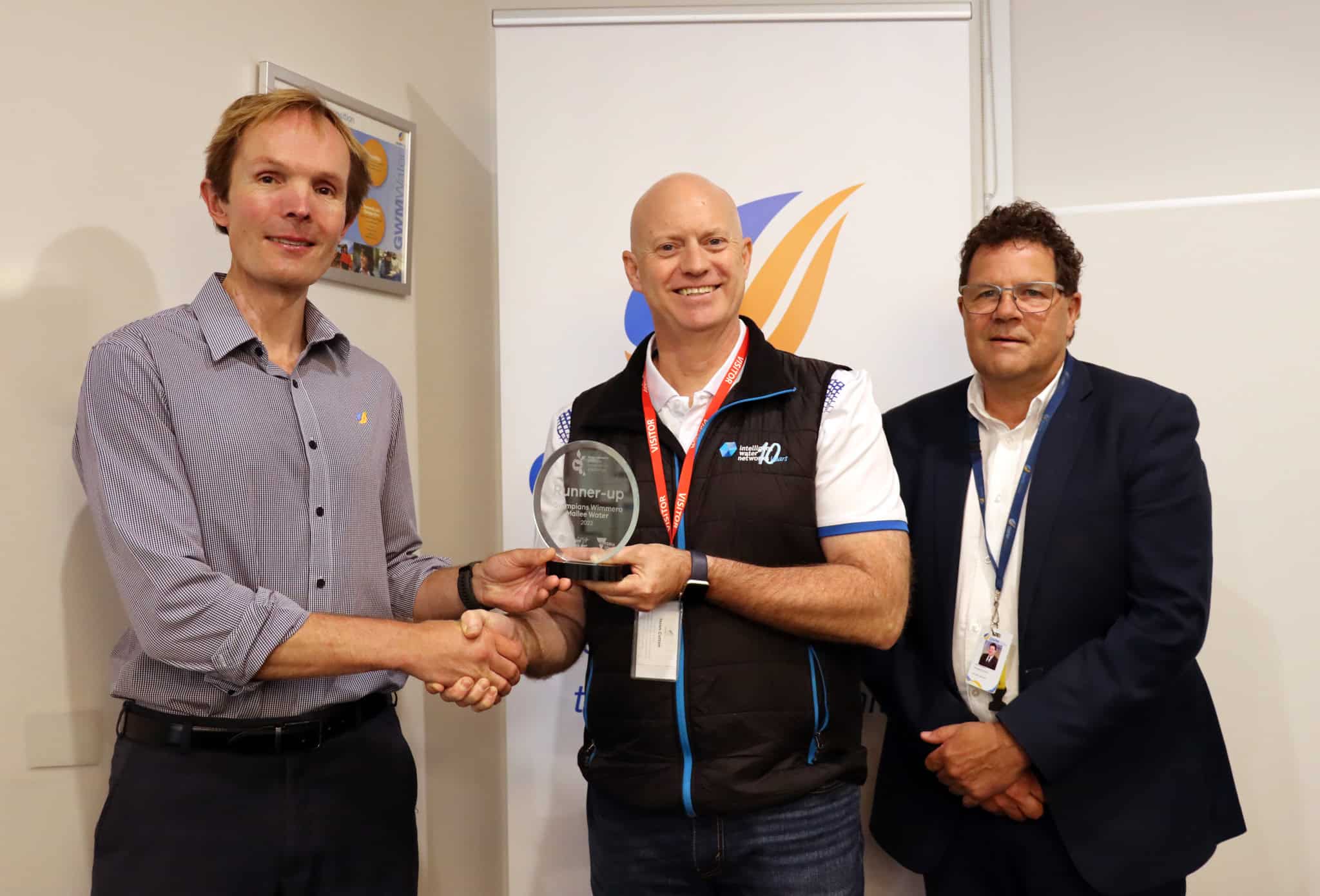
GRAMPIANS WIMMERA MALLE WATER.

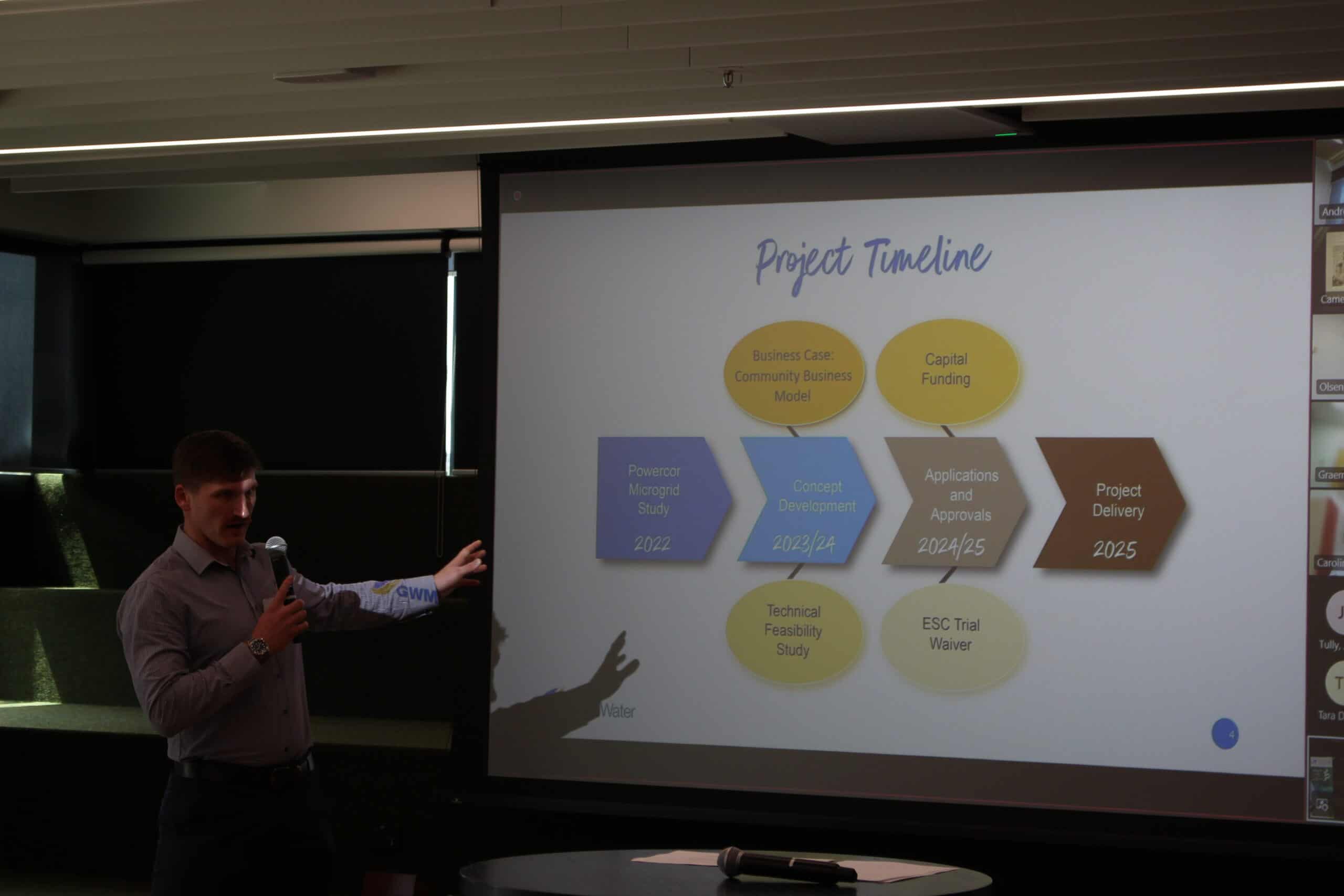
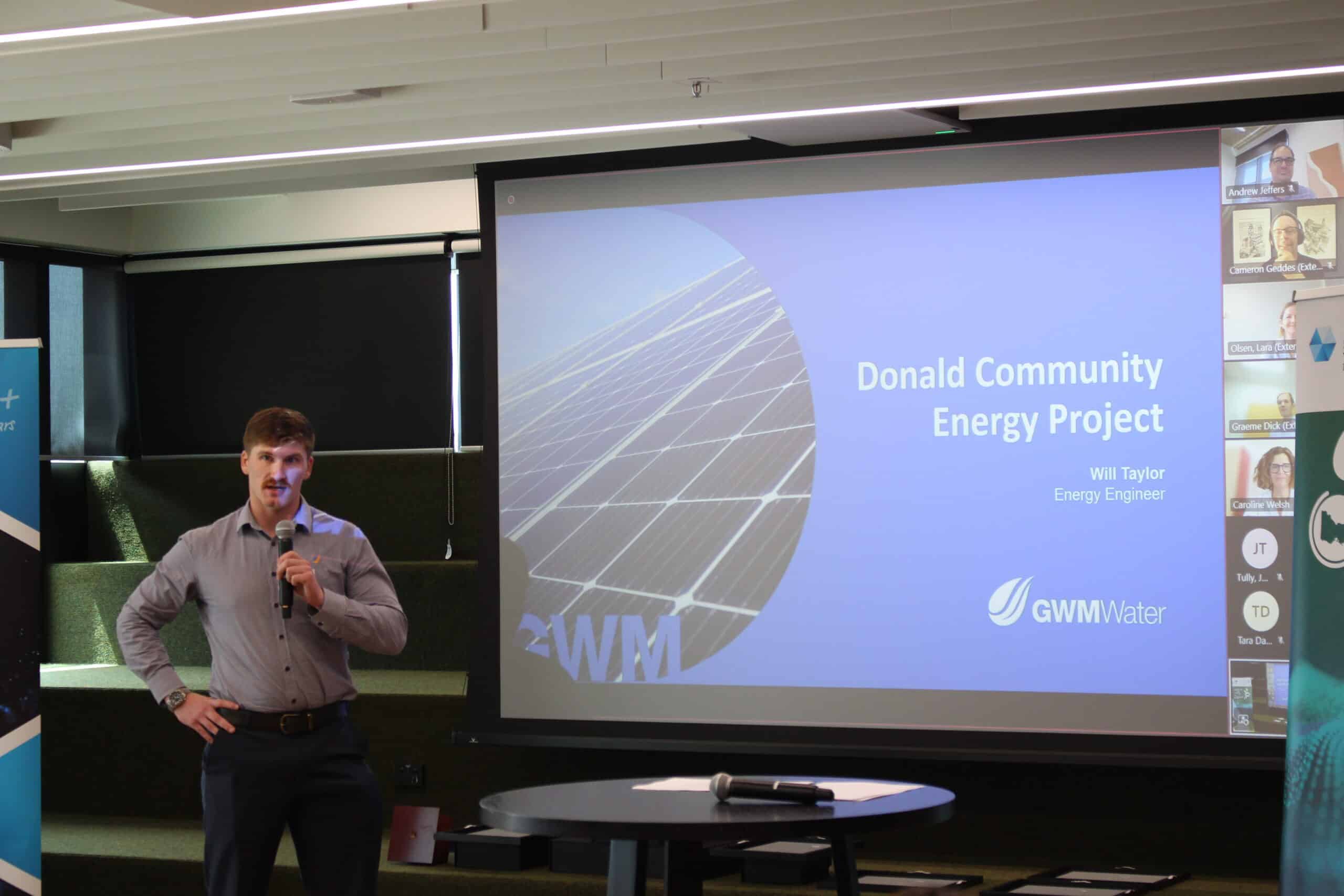
Donald Community Power Plant

Many regional Victorian towns suffer from ‘energy inequality’, particularly when located on the periphery of electricity distribution networks. Donald, in western Victoria, has high penetration of behind-the-meter solar generation. It is enough to meet approximately 70% of the town’s peak electricity demand, but is constrained by the limitations of the distribution network.

GWMWater owns a significant area of land in Donald that is suitable for establishing a ‘Community Power Plant’ (CPP) consisting of solar generation, battery storage and a control system to service both GWMWater and the local community.

The CPP (including battery) would allow a community to better leverage existing local renewable generation and self-service more of their daily electricity demand. This would result in less demand for grid-supplied electricity from non-renewable sources reducing the town’s overall carbon emissions. It will also serve as a model for other regional towns to adopt.

SOUTH EAST WATER

Scope 1 Emissions Direct and Real-time Monitoring on Aerobic Digester

Globally, water utilities are responsible for 5% of all greenhouse gas emissions, and 70% of these emissions come from wastewater treatment plants. Emissions of methane (CH4) and nitrous oxide (N2O) from aerobic digesters remain poorly understood, despite their climate impact being up to 298 times that of CO2. While some water utilities have commenced using direct measurement techniques, aerobic digesters are yet to be specifically considered.

This project will develop accurate emissions profiles for aerobic digesters, a set of modelling methodologies which can serve as a reliable basis for real-time emissions monitoring and establish industry benchmarks that will set the standard for Victoria’s water sector. The solution will enable water authorities to pinpoint when and where peak emissions of N2O and CH4 occur, enabling them to take immediate, targeted steps for substantive emissions reduction.

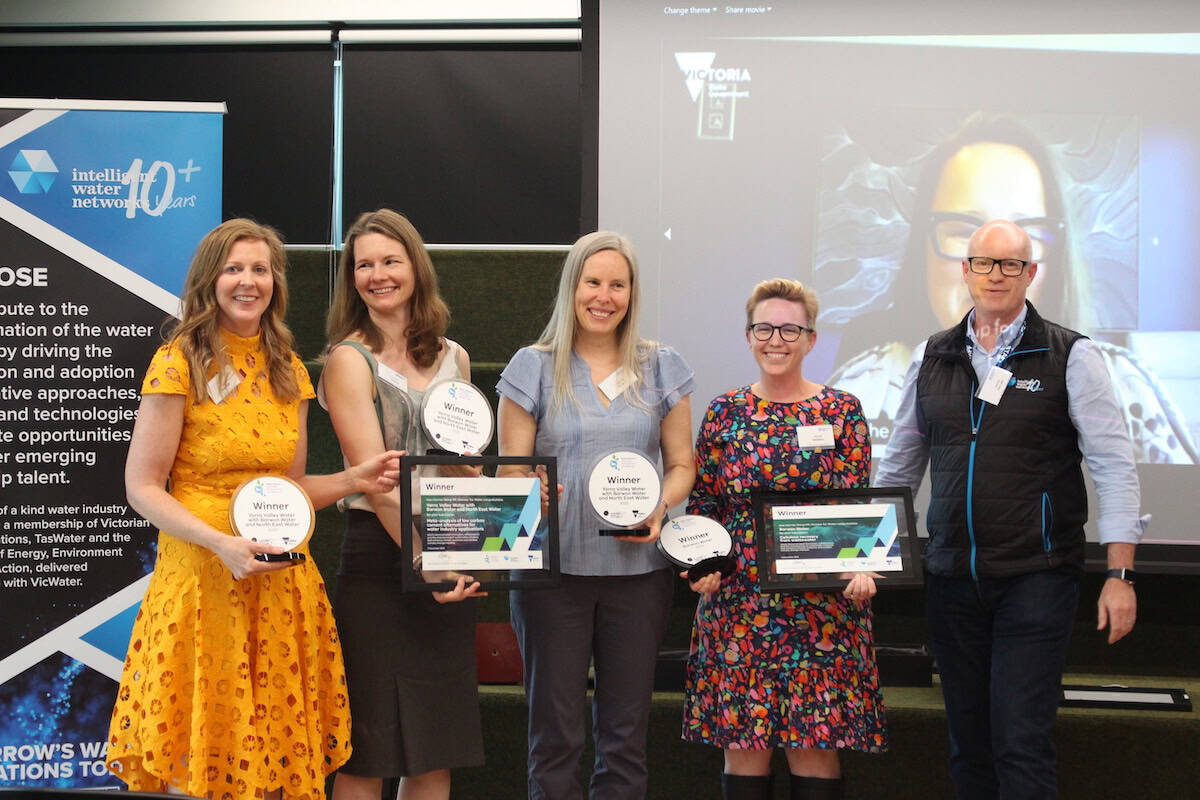
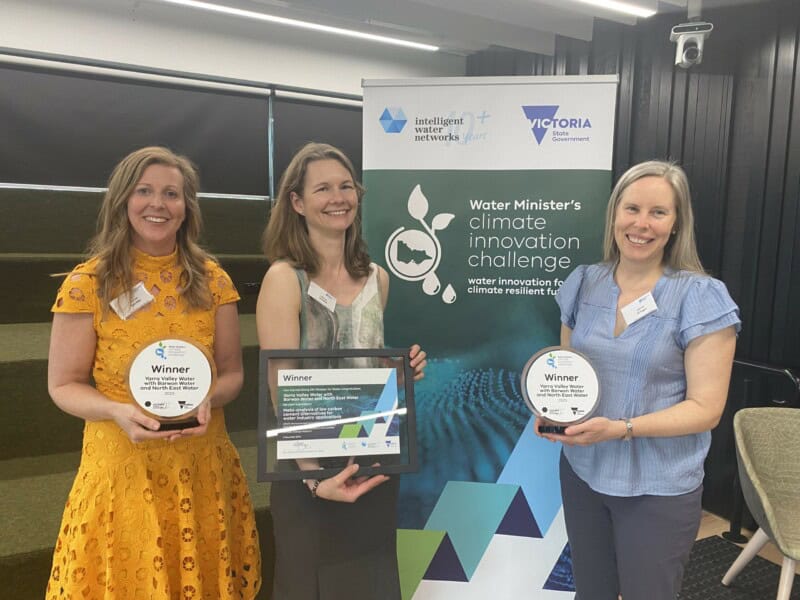
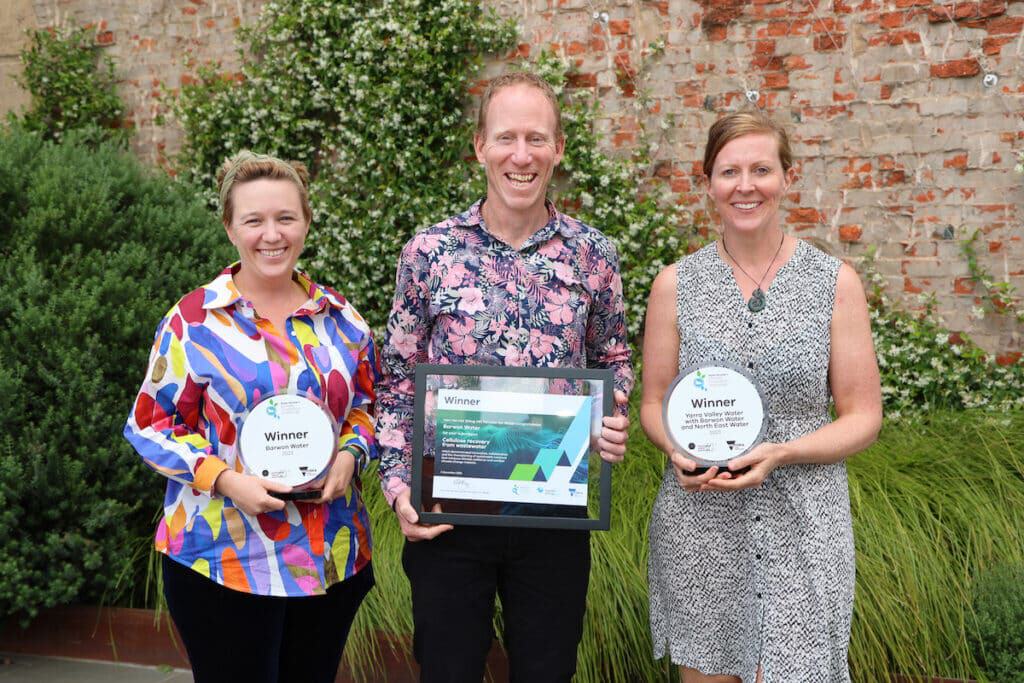
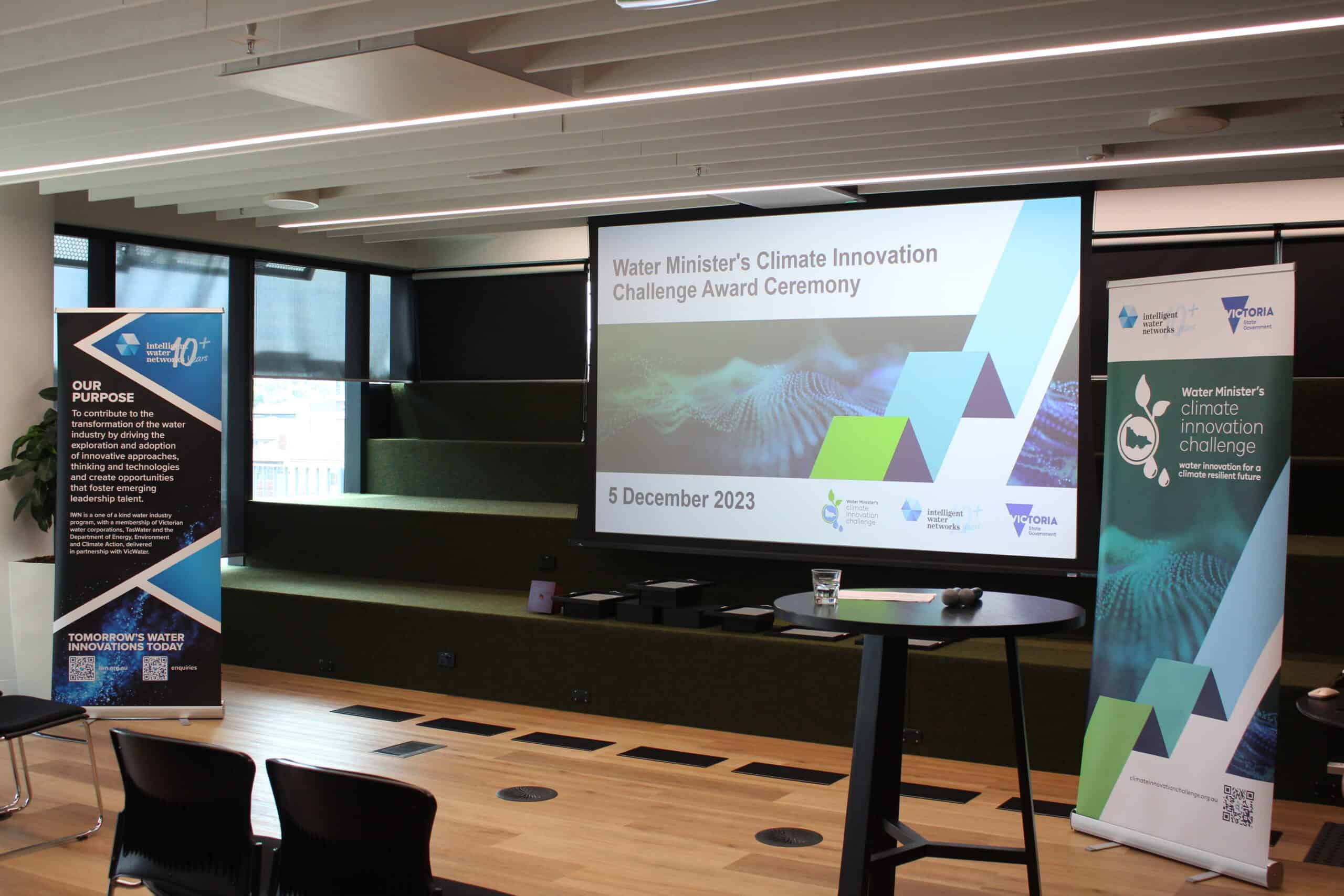
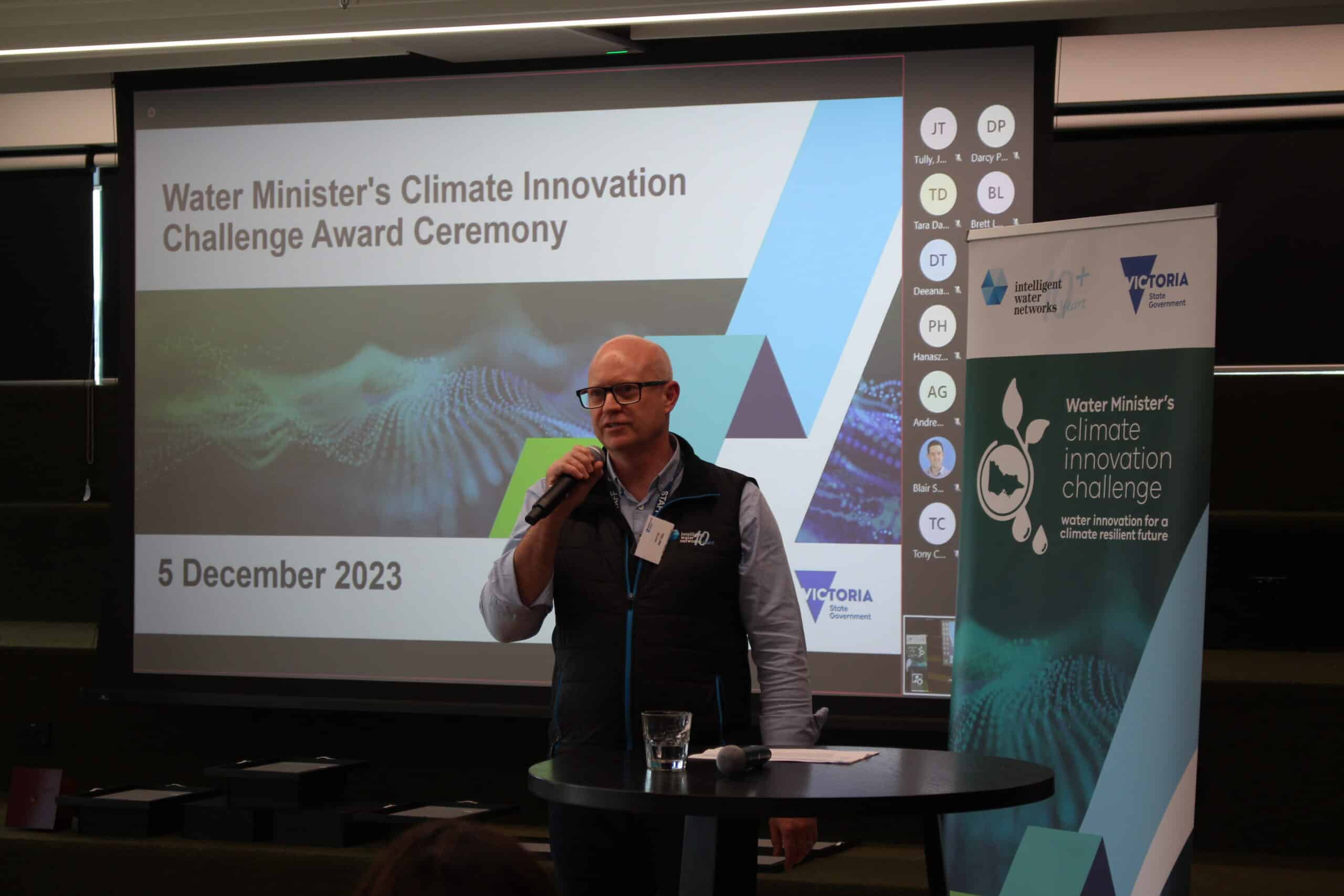
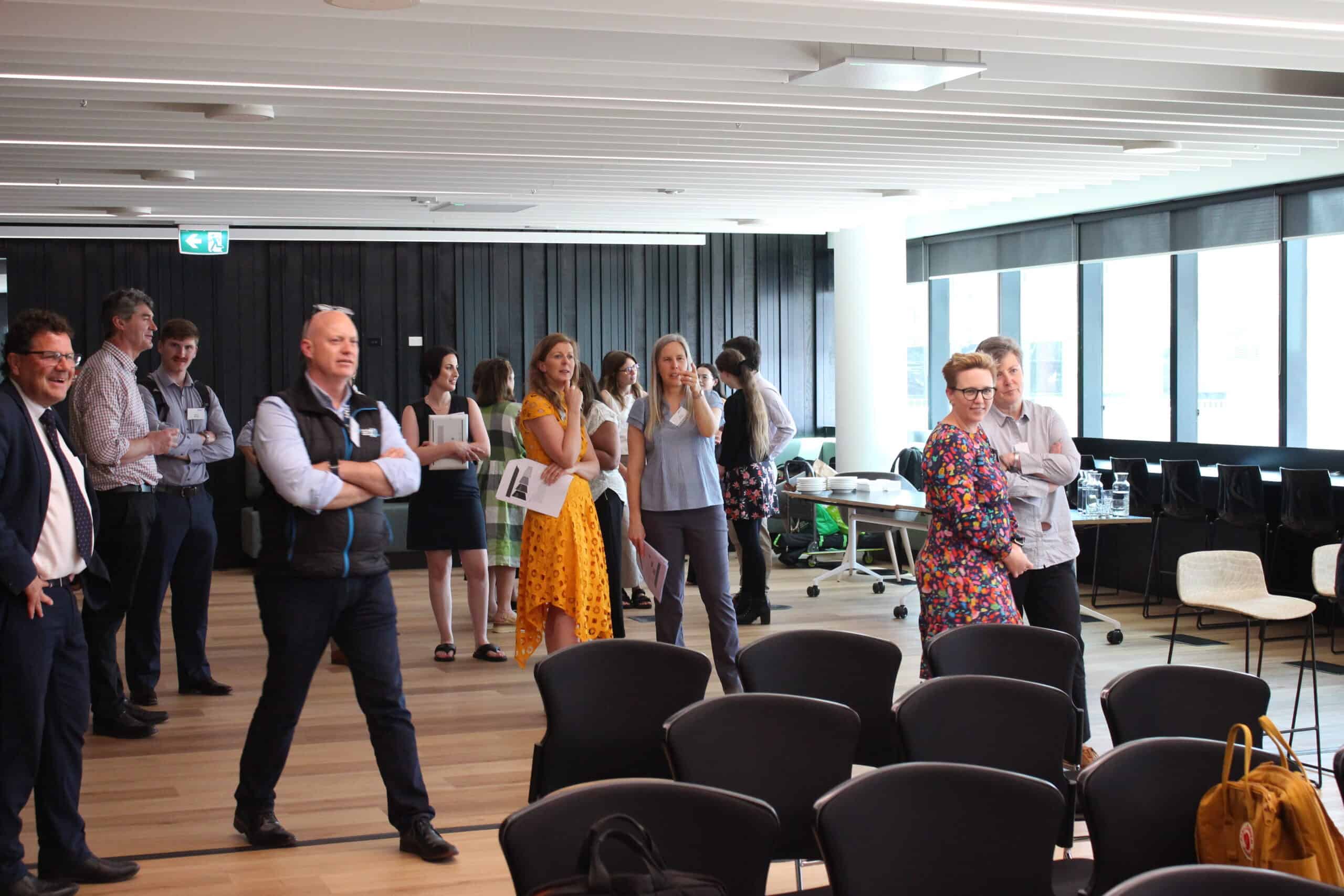
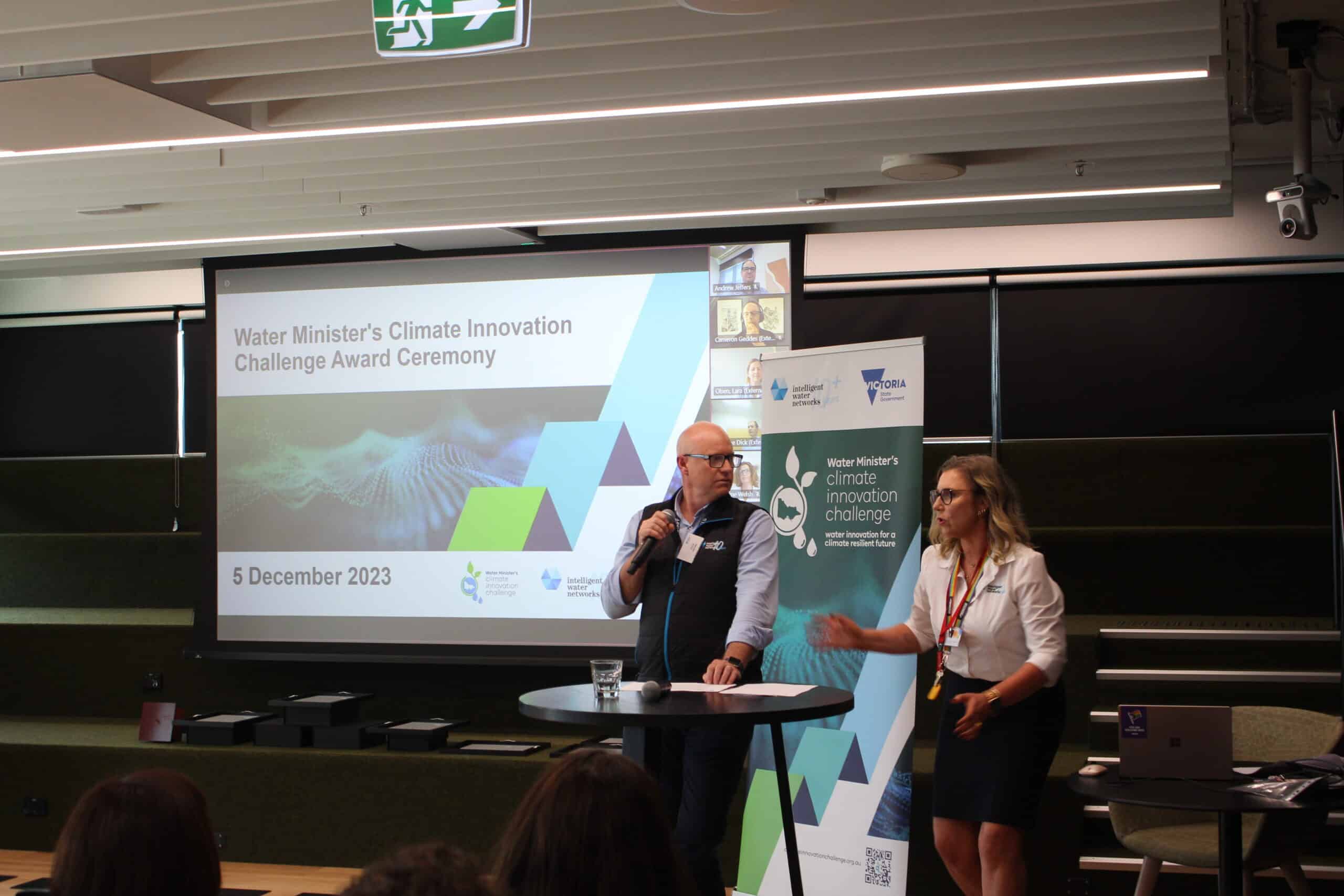
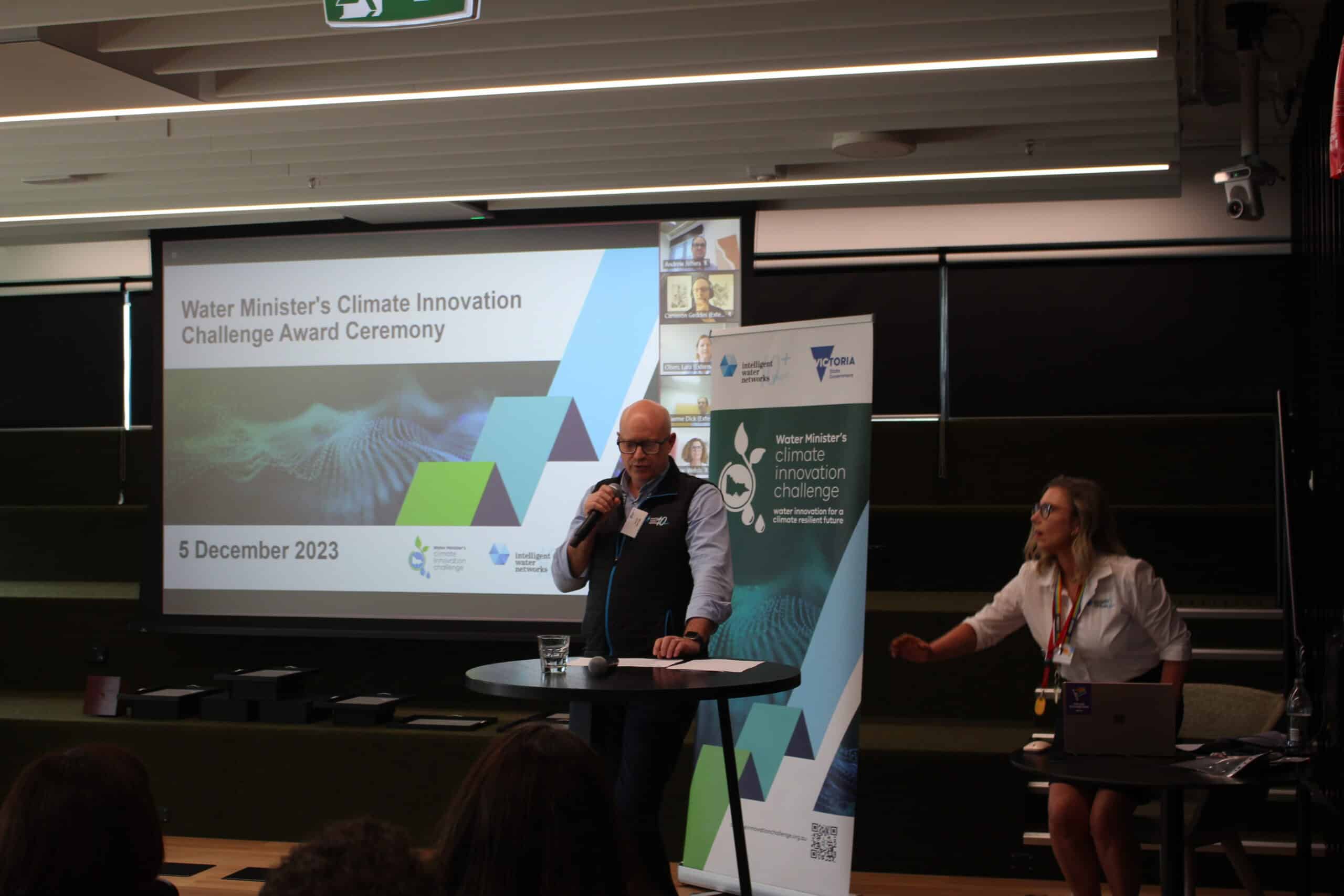
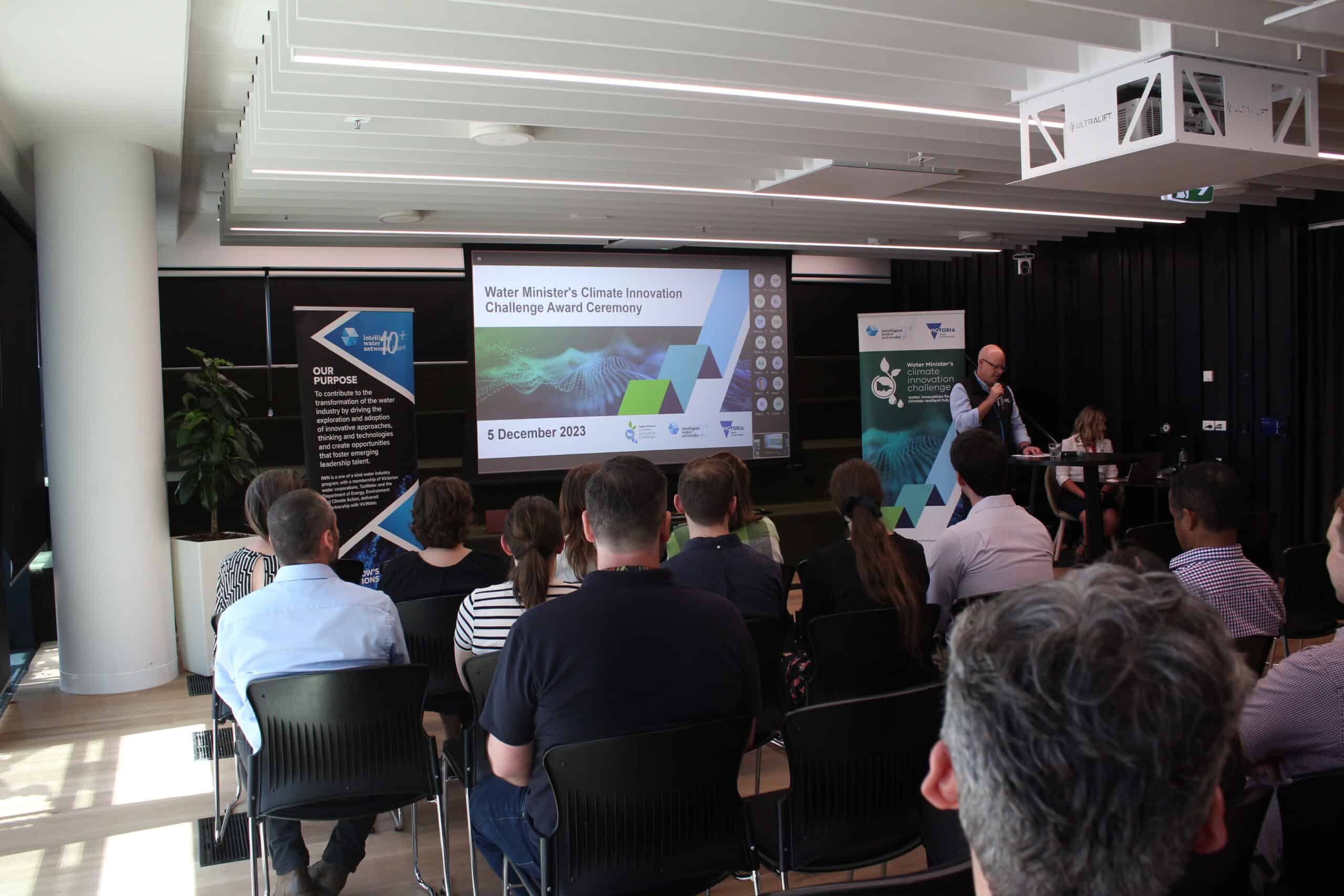
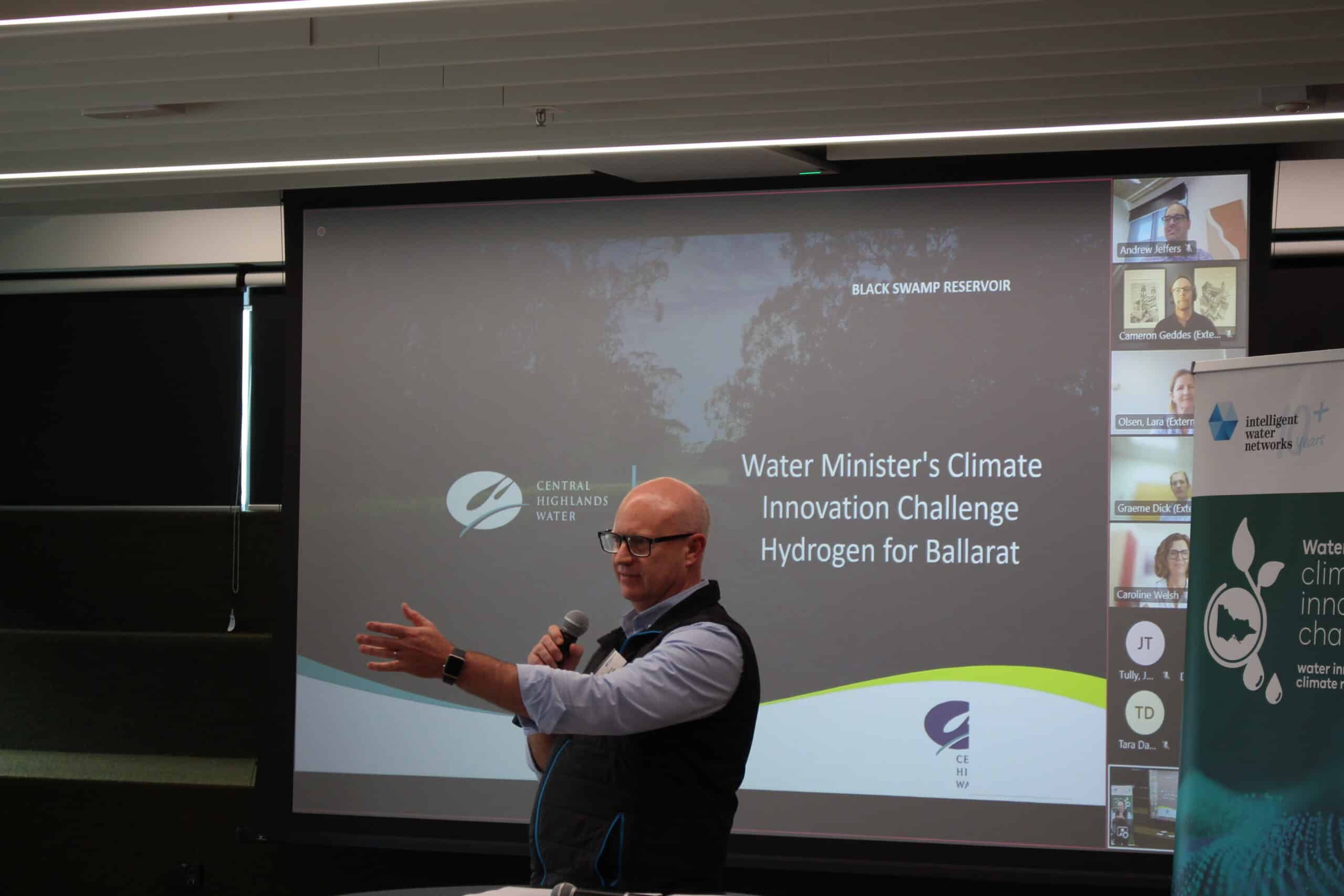
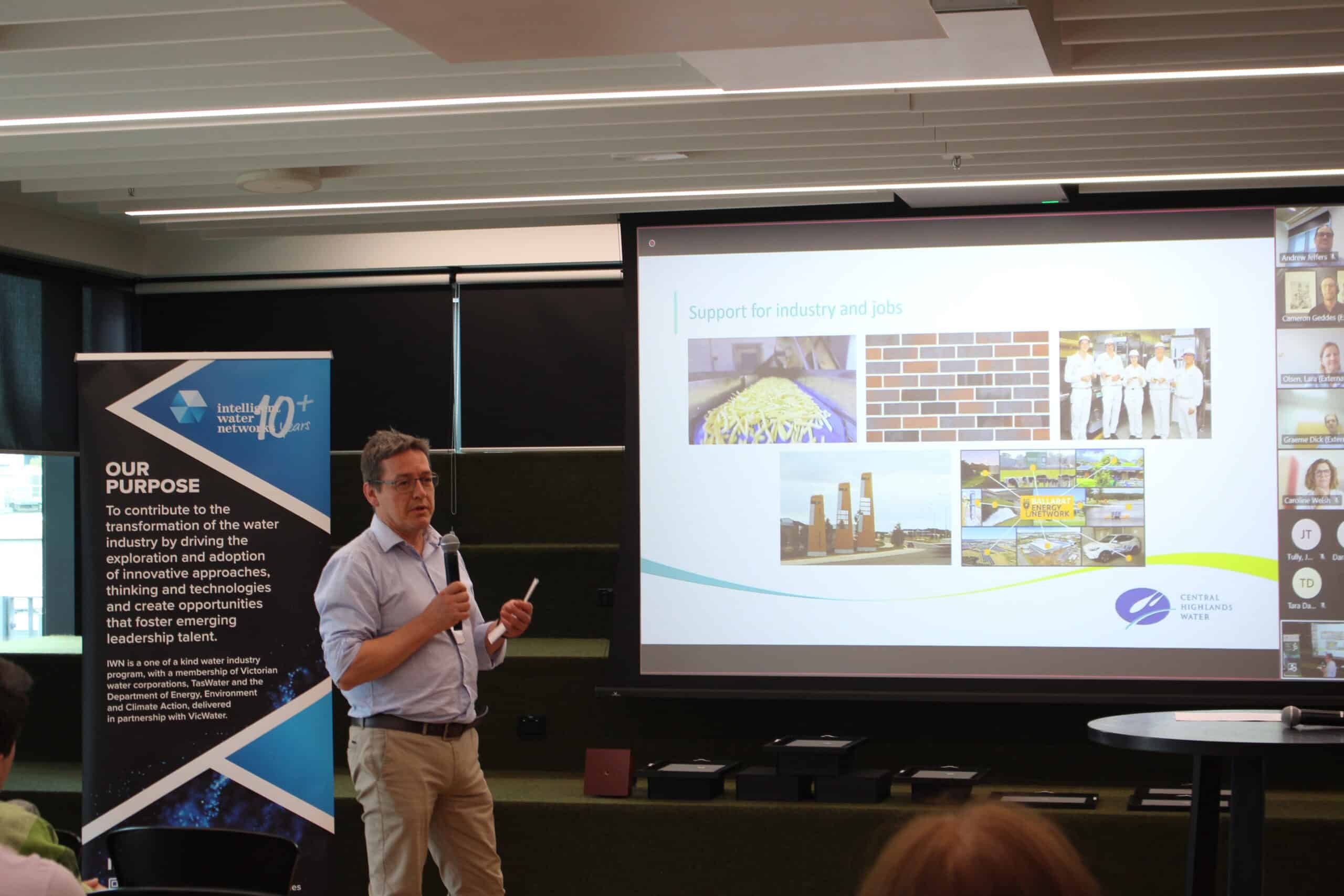
Photos from the 2023 WMCIC Award Ceremony

Come and check out the photos from the WMCIC Award Ceremony below and for even more photos please use the following link
Final Pitches for the 2023 Challenge

Check out the final pitches from each of the Submissions to learn more about the projects.

Cellulose Recovery from Wastewater

Donald Community Energy Project

Above & Beyond: Elevating Environmental Stewardship through Drone Technology

Meta-analysis of Low Carbon Cement Alternatives for Water Industry Applications

Scope 1 Emissions Direct and Real-time Monitoring on Aerobic Digester

Gas Substitution Feasibility Study for Ballarat